
Insights for AI builders
Tutorials, product updates, and ideas to help you build and ship AI applications faster.
Subscribe via RSS
Progressive Disclosure in AI Agents: How to Load Context Without Killing Output Quality
Loading too much context at once causes context rot. Progressive disclosure loads reference files only when needed, keeping Claude focused and outputs sharp.

The Real Difference Between a Demo and a Deployed App
Demos impress. Deployed apps serve users. Here's the honest gap between the two — and what you actually need to cross from one to the other.

Replit Agent 4 vs Bolt: Which Is Better for Full-Stack Apps?
Replit Agent 4 and Bolt both build apps from prompts. Here's how the latest versions compare on backend support, iteration, and production readiness.

SaaS Pricing Is Breaking: Why Per-Seat Models Don't Survive the AI Agent Era
AI agents compress seat counts by 90%. SaaS companies without outcome-based pricing are being punished by markets. Here's what the transition looks like.

Seedance 2.0 Is Now Global: Best Platforms, Pricing, and Content Restrictions Explained
Seedance 2.0 is now available worldwide via Runway, Dreamina, and CapCut. Here's where to get the best value, what's restricted, and how to work around limits.

Why the Source of Truth in Software Development Is Changing
For decades, code was the source of truth. That's changing. Here's why specs are becoming the new source of truth and what that means for developers.

The State of AI App Builders in 2026: What's Actually Improved
AI app builders have come a long way. Here's an honest look at what's genuinely improved in 2026 — and where they still fall short for production use.

The Technical Founder's Checklist Before Launching a Web App
Before you launch, there's a lot to get right. Here's a practical checklist covering auth, database, deployment, error handling, and edge cases.

What Does It Actually Mean for an App to Be Production-Ready?
Production-ready gets thrown around a lot. Here's a concrete definition — covering auth, error handling, data persistence, and what users actually need.

What Is a Backend? A Plain-English Explanation for Non-Developers
The backend is what makes an app work behind the scenes. Here's what it actually is, what it does, and why it matters for apps you want to ship.
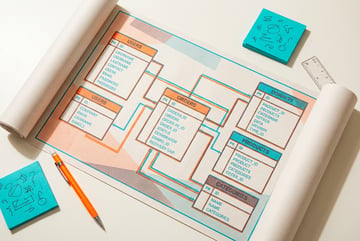
What Is a Database Schema? How App Data Is Structured
A database schema defines how your data is organized. Here's what it is, how it works, and why getting it right early matters for your app.

What Is a Full-Stack App? Frontend, Backend, and Database Explained
Full-stack means the whole application — frontend, backend, and database. Here's what each layer does and why all three matter for production apps.

What Is a REST API? How Apps Talk to Each Other
REST APIs are how most web apps communicate. Here's what they are, how they work, and what you need to know when building or consuming one.

What Is an ORM? How Developers Query Databases Without Writing SQL
An ORM lets you interact with a database using code instead of SQL. Here's what it is, how it works, and when it's the right choice for your app.

What Is Claude Mythos? Anthropic's Most Powerful Model Explained
Claude Mythos is Anthropic's unreleased frontier model with record-breaking coding benchmarks and serious cybersecurity capabilities. Here's what we know.

What Is Continuous Deployment? How Apps Ship Automatically
Continuous deployment means code goes live automatically when you push. Here's how it works, why it matters, and how to set it up for your app.

What Is Git? Version Control Explained for Non-Developers
Git tracks changes to code so you can collaborate and roll back mistakes. Here's what it is, how it works, and why every app should use it.

What Is SQLite? The Database That Runs Inside Your App
SQLite is a self-contained database that runs without a server. Here's what it is, how it works, and when it's the right choice for your app.

What Is TypeScript? Why Developers Use It Instead of JavaScript
TypeScript adds types to JavaScript to catch errors before runtime. Here's what it is, why developers use it, and what it means for full-stack apps.

What Is User Authentication? How Login Systems Actually Work
Authentication is how apps verify who you are. Here's how login systems work under the hood — sessions, tokens, verification codes, and roles.

What Makes a Good App Spec? A Framework for Technical Builders
Not all specs are equal. Here's a practical framework for writing specs that compile cleanly — covering structure, annotations, edge cases, and scope.
When to Use an AI App Builder vs Build It Yourself
AI app builders save time but make tradeoffs. Here's a practical framework for deciding when to use one and when to build from scratch.

Why AI App Builders Still Struggle With Databases and Auth
Databases and auth are where most AI app builders fall short. Here's why these two layers are hard to generate reliably and what the workarounds are.

Why Most AI-Generated Apps Fail in Production
AI app builders can generate impressive demos. Here's why they often fail when real users show up — and what separates demos from production apps.