10 AI Agents Every Marketing Team Needs in 2026
The essential AI agents for marketing teams. Automate content creation, social media, analytics, and campaign management.
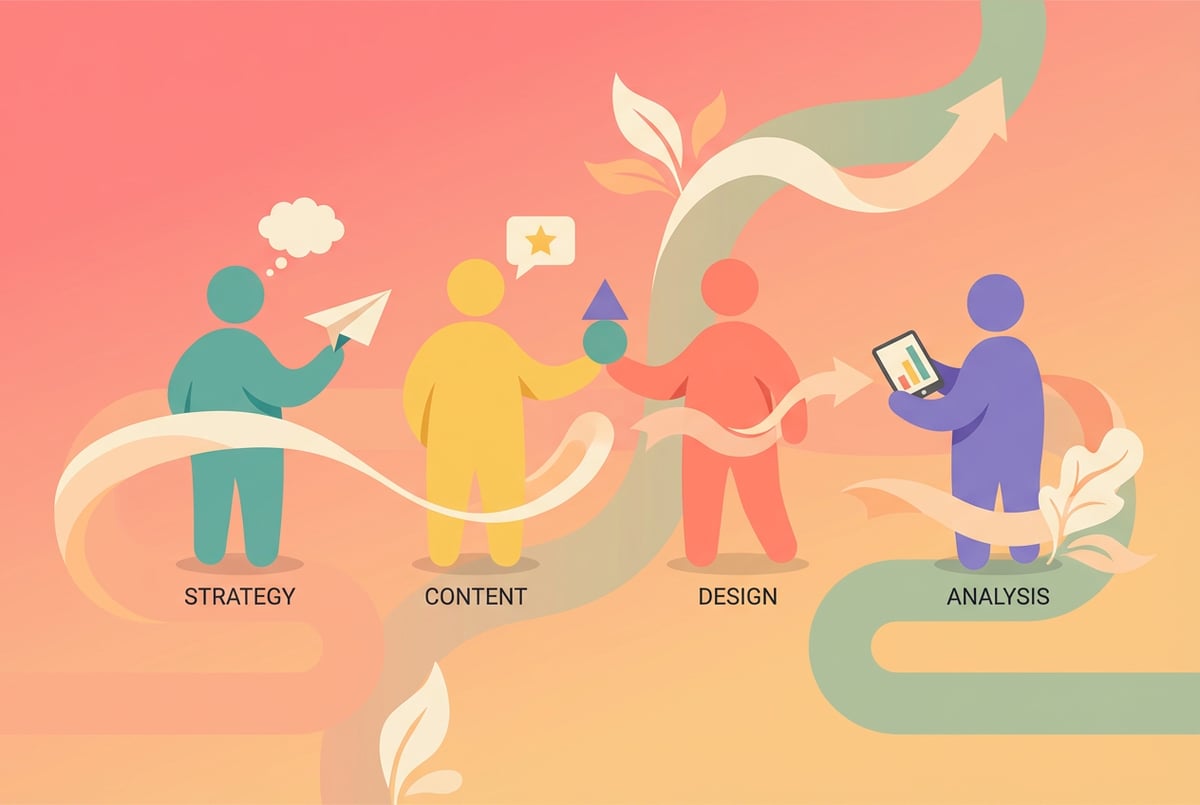
Why Marketing Teams Need AI Agents in 2026
Marketing has changed. The teams that win in 2026 aren’t sending more emails or posting more content. They’re running networks of AI agents that handle outreach, publishing, and follow-ups without manual intervention.
Multi-agent systems outperform single-agent approaches by 90.2% on complex tasks. By 2028, 33% of organizations will adopt agentic AI, with 15% of AI agents making daily autonomous decisions. The shift is already happening.
Here’s what makes AI agents different from basic automation: They can reason through problems, adapt to changing conditions, and coordinate across multiple tools. Instead of rigid if-then rules, AI agents use context to make decisions. They learn from every interaction and improve over time.
Marketing teams using AI agents report 73% faster campaign development and 68% shorter content creation timelines. The average marketer now spends 5 hours per week just on content creation and approvals. AI agents reduce that to minutes.
But most teams are still figuring out which agents to deploy first. This guide breaks down the 10 AI agents that deliver immediate value for marketing operations in 2026.
1. Content Generation Agent
This agent handles the heavy lifting of content creation across formats. It generates blog posts, email copy, social media captions, and ad variations based on your brand guidelines and performance data.
- ✕a coding agent
- ✕no-code
- ✕vibe coding
- ✕a faster Cursor
The one that tells the coding agents what to build.

The best content generation agents don’t just produce text. They analyze what’s working, adjust tone for different channels, and create variations for A/B testing. 80% of marketers now use AI tools for content, reporting 88% increased efficiency.
Your content agent should connect to your content management system, maintain brand voice consistency, and optimize for SEO automatically. It tracks which topics drive engagement and suggests content ideas based on search trends and audience behavior.
Key capabilities to look for:
- Multi-format content generation (blog posts, emails, social posts, ad copy)
- Brand voice training using your existing content
- SEO optimization with keyword integration
- Performance-based content recommendations
- Integration with your CMS and content calendar
Content agents work best when they have access to your performance data. They should learn which headlines get clicks, which CTAs drive conversions, and which topics resonate with your audience.
2. Social Media Management Agent
Managing multiple social accounts means juggling platforms, scheduling posts, responding to comments, and tracking performance. A social media agent handles all of it.
This agent monitors your social channels, schedules posts at optimal times, responds to common questions, and flags urgent messages for human review. It analyzes engagement patterns and adjusts posting schedules based on when your audience is most active.
The social media management tool market hit $27.03 billion in 2024, and 83% of marketers say AI helps them produce more content. But most teams only scratch the surface of what’s possible.
Advanced social media agents do predictive content analytics. They analyze past performance to recommend which images, videos, and copy styles will generate the most engagement. Some can even suggest optimal cover photos for video content by analyzing your audience’s preferences.
What your social media agent should handle:
- Cross-platform post scheduling and publishing
- Automated comment moderation and response
- Engagement analytics and trend identification
- Content recommendations based on performance data
- Crisis detection and alert systems
The best social media agents integrate with your content calendar and adjust posting strategy in real-time based on engagement metrics and trending topics.
3. Email Campaign Automation Agent
Email remains one of the highest-ROI marketing channels. An email campaign agent personalizes messages at scale, optimizes send times, and continuously tests subject lines and content variations.
This agent segments your audience based on behavior, creates personalized email sequences, and adjusts messaging based on engagement. It knows when someone is ready for a sales conversation and when they need more nurturing content.
Organizations implementing AI-driven email campaigns see 167% increases in qualified lead generation. The agent analyzes open rates, click-through rates, and conversion data to improve every send.
Your email agent should handle:
- Dynamic audience segmentation based on behavior
- Personalized content generation for each segment
- Send time optimization for each recipient
- A/B testing of subject lines and content
- Automated follow-up sequences based on engagement
The most effective email agents connect to your CRM and use customer data to create hyper-personalized campaigns. They track which messages drive action and adjust future campaigns accordingly.
4. Lead Qualification and Scoring Agent
Not all leads are equal. A lead qualification agent analyzes incoming leads, scores them based on engagement and fit, and routes qualified prospects to sales automatically.
One coffee. One working app.
You bring the idea. Remy manages the project.
This agent monitors behavioral signals across your website, email interactions, and content consumption. It identifies when a lead shows purchase intent and moves them through your funnel without manual intervention.
The agent qualifies leads by analyzing data points like company size, industry, technology stack, engagement history, and behavioral patterns. It can process hundreds of data points in seconds to determine lead quality.
Companies using AI for lead qualification report reducing customer acquisition costs by up to 30% and increasing sales revenue by 15%. The agent eliminates the lag time between when a prospect shows interest and when sales reaches out.
What your lead qualification agent needs to do:
- Score leads based on engagement and demographic data
- Identify high-intent prospects in real-time
- Route qualified leads to the right sales rep
- Update CRM records automatically
- Generate lead intelligence reports for sales teams
The best lead scoring agents learn from your sales team’s feedback. They adjust scoring models based on which leads actually convert and continuously improve accuracy.
5. Analytics and Reporting Agent
Marketing teams drown in data. An analytics agent connects to all your marketing tools, consolidates data, and generates insights without manual report building.
This agent tracks campaign performance across channels, identifies trends, and surfaces anomalies that need attention. It creates custom dashboards, sends automated reports, and alerts you to significant changes in key metrics.
The agent doesn’t just report numbers. It interprets data, identifies patterns, and recommends actions. It might notice that email open rates drop on certain days or that specific content topics drive more conversions.
Marketing teams using AI for analytics report 38% improvements in sales forecast accuracy. The agent eliminates hours of manual data pulling and allows marketers to focus on strategy instead of spreadsheets.
Your analytics agent should provide:
- Cross-channel performance tracking and attribution
- Automated report generation and distribution
- Anomaly detection and alerting
- Predictive analytics and forecasting
- Campaign ROI analysis and optimization recommendations
Advanced analytics agents use predictive modeling to forecast campaign performance before you launch. They analyze historical data to predict outcomes and help you optimize budget allocation.
6. Customer Personalization Agent
Customers expect personalized experiences. A personalization agent analyzes individual behavior and preferences to deliver customized content, product recommendations, and messaging across every touchpoint.
This agent tracks website visits, email engagement, purchase history, and browsing patterns to build detailed customer profiles. It uses this data to personalize everything from homepage content to product recommendations to email messaging.
71% of consumers expect personalized experiences, and 76% get frustrated when personalization is lacking. Companies using AI personalization report 20% sales increases and 2x higher customer engagement rates.
The personalization agent operates in real-time. When someone visits your website, it instantly analyzes their profile and adjusts the content they see. It determines which products to recommend, which content to display, and which CTAs to show.
Key personalization capabilities:
- Real-time behavioral tracking and analysis
- Dynamic website content personalization
- Product recommendation engines
- Personalized email and messaging content
- Cross-channel experience consistency
The best personalization agents learn from every interaction. They continuously refine customer profiles and improve recommendations based on engagement and conversion data.
7. Competitive Intelligence Agent
Remy doesn't build the plumbing. It inherits it.
Other agents wire up auth, databases, models, and integrations from scratch every time you ask them to build something.
Remy ships with all of it from MindStudio — so every cycle goes into the app you actually want.
Understanding what competitors are doing gives you an edge. A competitive intelligence agent monitors competitor websites, social media, pricing changes, and marketing campaigns automatically.
This agent tracks competitor activity 24/7 and alerts you to significant changes. It monitors pricing pages, product features, homepage messaging, job postings, and press releases. When a competitor launches a new campaign or changes their positioning, you know immediately.
88% of marketers already use AI in their workflows, and competitive intelligence is becoming critical. The agent doesn’t just collect data—it identifies patterns and strategic shifts that matter.
Your competitive intelligence agent should:
- Monitor competitor websites and detect changes
- Track competitor social media and content strategy
- Analyze competitor ad campaigns and messaging
- Monitor industry trends and market movements
- Generate competitive analysis reports and alerts
Advanced competitive intelligence agents integrate insights into your campaign planning. They help you identify gaps in competitor strategy and opportunities to differentiate your messaging.
8. SEO and Content Optimization Agent
Search visibility drives organic traffic. An SEO agent optimizes your content for search engines, tracks rankings, identifies keyword opportunities, and recommends content improvements.
This agent analyzes search trends, monitors your rankings, and suggests content topics that match user intent. It optimizes existing content for better performance and identifies technical SEO issues that need fixing.
SEO generates 748% ROI for B2B companies, far exceeding other digital channels. 65% of companies using AI-generated content report improved SEO performance. The agent ensures every piece of content follows SEO best practices.
What your SEO agent needs to handle:
- Keyword research and opportunity identification
- On-page SEO optimization and recommendations
- Content gap analysis and topic suggestions
- Technical SEO monitoring and issue detection
- Rank tracking and performance reporting
The best SEO agents understand search intent. They don’t just stuff keywords—they help you create content that answers real questions and provides value to users.
9. Campaign Orchestration Agent
Running multi-channel campaigns means coordinating content, timing, and messaging across platforms. A campaign orchestration agent manages the entire lifecycle from planning to execution to optimization.
This agent builds campaign workflows, schedules assets across channels, monitors performance in real-time, and adjusts tactics based on results. It ensures consistent messaging and optimal timing across every touchpoint.
Marketing teams using AI for campaign orchestration report completing campaign development 73% faster than traditional methods. The agent eliminates manual coordination and reduces the risk of errors.
The orchestration agent coordinates with your other AI agents. When the analytics agent identifies a high-performing content topic, the orchestration agent can automatically build a multi-channel campaign around it.
Campaign orchestration capabilities:
- Multi-channel campaign planning and workflow creation
- Automated asset scheduling and distribution
- Real-time performance monitoring and optimization
- Cross-channel messaging consistency
- Dynamic budget allocation based on performance
Advanced orchestration agents use predictive analytics to forecast campaign outcomes and recommend budget allocation before you launch. They continuously optimize during execution based on real-time data.
10. Customer Service and Support Agent
Marketing doesn’t end when someone becomes a customer. A customer service agent handles common inquiries, troubleshoots issues, and escalates complex problems to human agents when needed.
This agent provides instant responses across channels—chat, email, social media, and messaging apps. It understands context, accesses customer history, and provides personalized support at scale.
By 2029, agentic AI will autonomously resolve 80% of customer service issues, reducing operational costs by 30%. Companies implementing AI-driven customer service report 25% increases in customer satisfaction and 28% reduction in churn.
The customer service agent doesn’t just answer questions. It detects sentiment, identifies at-risk customers, and proactively reaches out with solutions. It learns from every interaction and improves its responses over time.
Your customer service agent should provide:
- 24/7 automated customer support across channels
- Natural language understanding and contextual responses
- Integration with customer data and purchase history
- Sentiment analysis and escalation logic
- Proactive outreach for at-risk customers
The best customer service agents work seamlessly with human teams. They handle routine inquiries and free up human agents to focus on complex issues that require empathy and judgment.
Building Your AI Agent Team with MindStudio
Most marketing teams don’t need to build these agents from scratch. Platforms like MindStudio make it possible to deploy AI agents without writing code or managing complex infrastructure.
MindStudio lets you build custom AI agents using a visual interface. You connect your data sources, design workflows, and deploy agents across your marketing stack. The platform supports over 200 AI models and integrates with your existing tools.
What makes MindStudio different is its focus on practical implementation. You’re not learning complex APIs or managing separate billing for different AI models. Everything works together in one platform with transparent pricing.
Marketing teams using MindStudio report building agents in minutes instead of months. The platform handles the technical complexity while you focus on designing workflows that solve real problems.
MindStudio agents can:
- Connect to your CRM, marketing automation, and analytics tools
- Access multiple AI models within the same workflow
- Process and analyze data from multiple sources
- Take actions across your marketing stack automatically
- Learn and improve from every interaction
The platform includes enterprise-grade security with SOC 2 certification, GDPR compliance, and role-based access control. Your data stays secure while your agents work across systems.
Getting Started with Marketing AI Agents
Don’t try to deploy all 10 agents at once. Start with the agents that address your biggest pain points and deliver clear ROI.
Most teams begin with content generation or social media management because the impact is immediate and measurable. You’ll save hours every week and see performance improvements quickly.
Here’s how to approach implementation:
Start with one high-impact agent. Pick the area where manual work takes the most time or where you’re seeing the biggest bottlenecks. Deploy one agent, measure results, and learn before expanding.
Define clear success metrics. Know what you’re trying to improve—time saved, content produced, leads qualified, or revenue generated. Track baseline performance before deployment so you can measure impact.
Integrate with existing tools. Your agents should work with your current marketing stack, not replace it. Look for platforms that connect to your CRM, marketing automation, and analytics tools.
Seven tools to build an app. Or just Remy.
Editor, preview, AI agents, deploy — all in one tab. Nothing to install.
Establish governance and oversight. AI agents need guardrails. Define what they can and cannot do, establish approval workflows for customer-facing content, and implement monitoring to catch issues early.
Build gradually. Once your first agent proves value, add complementary agents. The content generation agent pairs well with the social media management agent. The analytics agent enhances the campaign orchestration agent.
Organizations that take this measured approach see higher success rates. They build confidence in AI agents while minimizing risk and maintaining quality standards.
What to Expect in 2026 and Beyond
AI agents will become more sophisticated. The agentic AI market is projected to grow from $7.06 billion in 2025 to $93.20 billion by 2032. By 2028, 33% of enterprise software will include agentic AI capabilities.
Multi-agent systems will become the norm. Instead of isolated tools, you’ll run teams of specialized agents that coordinate and share context. Your content agent will inform your SEO agent, which will guide your campaign orchestration agent.
The agents will get better at reasoning and decision-making. Current agents follow instructions and optimize based on data. Future agents will make strategic recommendations and adjust tactics without human input.
But human oversight remains critical. The most successful marketing teams use AI agents to handle execution while humans focus on strategy, creativity, and judgment. 92% of businesses plan to invest in AI tools within the next three years, but the winners will be teams that balance automation with human expertise.
Marketing roles will evolve. As agents handle more tactical work, marketers will spend more time on positioning, messaging, and strategic planning. The skills that matter most will be understanding customer psychology, crafting compelling narratives, and making judgment calls that require context and empathy.
Common Mistakes to Avoid
Teams rushing to deploy AI agents often make predictable mistakes. Here’s what to watch for:
Deploying agents without clear goals. AI for the sake of AI doesn’t work. Every agent should solve a specific problem and deliver measurable value.
Ignoring data quality. Agents are only as good as the data they access. Clean, consistent data is fundamental. 67% of organizations cite data quality as their biggest AI implementation barrier.
Skipping governance. Agents that can take actions need oversight. Establish clear boundaries, approval workflows, and monitoring before deployment.
Not training your team. Agents amplify human capability, but teams need to understand how to work with them. Invest in training and change management.
Expecting perfection immediately. AI agents improve over time. They need feedback loops, performance monitoring, and continuous refinement.
Letting agents touch production systems without testing. Start with read-only access and draft recommendations. Move to automated execution only after you’ve validated performance and reliability.
The teams that succeed with AI agents treat implementation as a process, not a one-time deployment. They iterate, learn, and gradually expand agent capabilities as confidence grows.
Frequently Asked Questions
Do I need technical skills to deploy AI agents?
Not necessarily. Platforms like MindStudio provide no-code interfaces that let marketers build and deploy agents without programming knowledge. You need to understand your marketing workflows and desired outcomes, but the technical implementation is handled by the platform.
How much do AI marketing agents cost?
Cost varies widely based on the platform and scale. Some tools charge per seat or per interaction, while others use consumption-based pricing. Expect to invest 15-25% of your marketing technology budget on AI capabilities in 2026. The ROI typically justifies the investment within 18 months.
Can AI agents replace my marketing team?
No. AI agents handle execution and optimization, but humans provide strategy, creativity, and judgment. The goal is to free your team from repetitive tasks so they can focus on high-value work. Teams using AI agents report increased productivity, not reduced headcount.
How long does it take to see results from AI agents?
It depends on the agent type. Content generation and social media management agents deliver immediate time savings. Analytics and personalization agents show measurable impact within weeks. Complex agents like campaign orchestration may take months to fully optimize.
What data do AI agents need to work effectively?
Agents need access to relevant marketing data—customer profiles, campaign performance, website analytics, and engagement metrics. The more data they can access, the better their recommendations and actions. Data quality matters more than volume.
Are AI agents compliant with privacy regulations?
Compliance depends on how you implement them. Choose platforms with built-in compliance features like data encryption, access controls, and audit trails. By 2026, global fines for AI marketing violations are expected to exceed $8.2 billion, so this isn’t optional.
Can I use multiple AI agents together?
Yes, and you should. Multi-agent systems outperform single-agent setups by over 90% on complex tasks. The key is orchestration—ensuring agents share context and coordinate actions without conflicts or duplication.
What happens when an AI agent makes a mistake?
Mistakes will happen, especially early on. This is why human oversight matters. Start with approval workflows for critical actions. Log everything so you can trace decisions and learn from errors. The best agents learn from mistakes and improve over time.
How do I choose which AI agent to deploy first?
Pick the area where manual work consumes the most time and where success is easy to measure. For most teams, this is content generation or social media management. Start with one agent, prove value, then expand.
Will AI agents work with my existing marketing tools?
Most AI agent platforms integrate with common marketing tools—CRMs, marketing automation platforms, analytics tools, and content management systems. Check integration capabilities before choosing a platform. The agent should fit into your existing stack, not require a complete rebuild.