What Is Kling O3? The Latest AI Video Model from Kling
Kling O3 is the newest and most advanced video model in the Kling family. Explore its features, improvements, and creative applications.
What Is Kling O3?
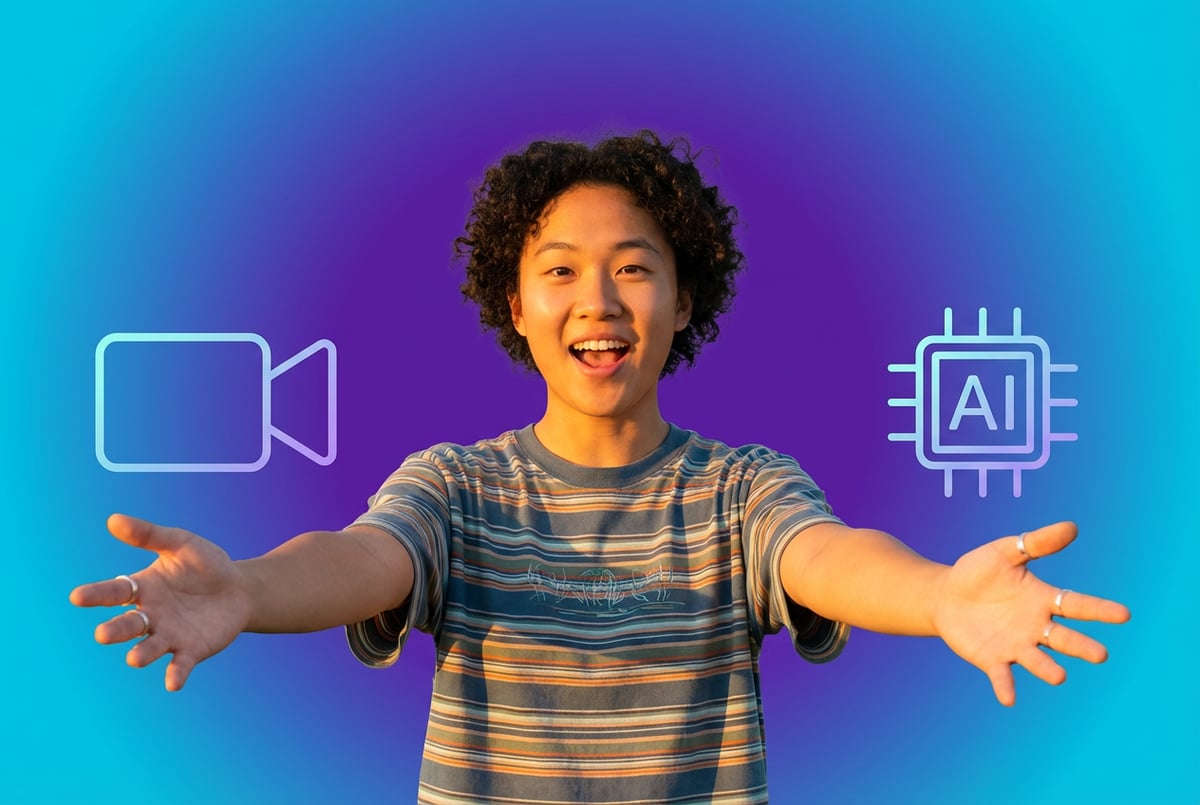
Kling O3 is the latest AI video generation model from Kuaishou Technology, released in February 2026. It’s part of the Kling 3.0 family and represents a significant step forward in how AI creates video content. Instead of treating video generation as a simple text-to-video task, Kling O3 thinks more like a film director, understanding scene composition, camera angles, and narrative flow.
The model can generate videos up to 15 seconds long in resolutions up to 1080p, with native audio generation built in. That means you get dialogue, background music, and sound effects generated alongside the video, not added later. Kling O3 handles multiple languages including English, Chinese, Japanese, Korean, and Spanish, with support for various accents like American, British, and Indian English.
What sets Kling O3 apart is its unified multimodal architecture. You can input text prompts, reference images, or existing videos, and the model maintains consistency across all these inputs. Character identity stays stable across different shots. Objects behave according to real physics. Camera movements look natural and intentional.
The Technology Behind Kling O3
Kling O3 uses what Kuaishou calls the “Omni One” architecture. This is a unified framework that handles understanding, generation, and editing of video content in one system. The core innovation is 3D Spacetime Joint Attention combined with Chain-of-Thought reasoning.
Plans first. Then code.
Remy writes the spec, manages the build, and ships the app.

Here’s what that means in practice. Traditional video models process frames sequentially or in groups. Kling O3 understands the full 3D space and time relationships in a scene simultaneously. It models how objects move through space, how lighting changes over time, and how different elements interact physically. This spatial-temporal awareness is what enables the model to generate videos that respect real-world physics.
The Chain-of-Thought component means the model essentially “thinks” before it renders. It breaks down your prompt into scene elements, plans the motion paths, considers the lighting and composition, then executes the generation. This multi-step reasoning process is similar to how large language models handle complex queries, but applied to visual generation.
The physics engine in Kling O3 is particularly impressive. It models gravity, balance, deformation, collision, and inertia with accuracy that eliminates many common AI video artifacts. Characters move with realistic weight. Objects interact believably. Water flows naturally. These aren’t just visual approximations but physics-based simulations running within the generation process.
Multimodal Input and Output
Kling O3 accepts multiple input types simultaneously. You can combine a text prompt with reference images to guide character appearance and style. You can upload a reference video to transfer motion patterns. You can even specify multiple character references and maintain their consistency across a scene with multiple people.
The output is equally multimodal. Video and audio generate together, with lip-sync and facial expressions automatically matched to dialogue. The model can handle complex scenarios like multi-character conversations where each person speaks a different language, with precise control over who speaks when and how.
This integrated approach eliminates the typical AI video workflow of generating video, then adding audio, then fixing sync issues, then adjusting timing. Everything happens in one generation pass, which is faster and produces more coherent results.
Key Features of Kling O3
Kling O3 packs several standout capabilities that distinguish it from earlier video models and current competitors.
Native Audio Generation
Audio generation is built into the core model, not tacked on as an afterthought. Kling O3 generates dialogue, environmental sounds, and background music that match the visual content. The system understands context well enough to add appropriate sound effects, like footsteps changing based on surface type or wind noise matching visual weather conditions.
For dialogue scenes, the model achieves frame-perfect lip synchronization. Characters speak with natural mouth movements, expressions, and head tilts that match the audio. You can control accent, tone, pacing, and emotion in the generated speech. The system supports code-switching, where characters switch between languages mid-conversation.
Advanced Character Consistency
Maintaining character appearance across shots has been a persistent challenge in AI video generation. Kling O3 addresses this through its reference system. Upload up to four reference images of a character, and the model builds an identity embedding that persists across your entire video.
This works for multiple characters simultaneously. You can have three or more distinct characters in a scene, each maintaining their unique appearance, clothing, and features across different camera angles and shots. The model tracks identity through occlusions, lighting changes, and perspective shifts.
Multi-Shot Video Generation
Everyone else built a construction worker.
We built the contractor.
One file at a time.
UI, API, database, deploy.
Kling O3 introduced what they call “multi-shot” capability. This means a single generation can include multiple camera perspectives or scene cuts. Instead of generating one continuous shot, the model can plan and execute a sequence with shot changes, like cutting from a wide establishing shot to a close-up to a reverse angle.
This is significant for storytelling. You can describe a scene with multiple beats, and Kling O3 will plan the camera coverage, timing the cuts to match the action and dialogue. The system applies cinematic conventions, understanding concepts like the 180-degree rule, eyeline matching, and continuity editing.
Motion Control and Realism
Motion quality separates good AI video from great AI video. Kling O3 excels at dynamic, fast-paced movement. The model handles action sequences, sports clips, and energetic social media content with smooth, believable motion.
You can guide motion through reference videos. Upload a clip showing the movement you want, and Kling O3 will transfer that motion pattern to your characters and objects. This is particularly useful for specific actions like dance moves, fighting choreography, or complex physical interactions.
The Motion Brush tool provides granular control. Paint over specific regions of your starting frame to indicate movement direction and intensity. This gives you fine-tuned control over which elements move and how, without needing to describe everything in text.
Extended Duration
Kling O3 generates videos up to 15 seconds in a single pass. That might not sound long, but it’s substantial for AI-generated content. Most competing models max out at 5-10 seconds, and longer videos often show quality degradation or consistency breaks.
The model also supports video extension. Generate an initial clip, then extend it forward or backward to create longer sequences while maintaining visual and narrative continuity. This chaining approach lets you build multi-minute videos from AI-generated segments.
How Kling O3 Handles Cinematic Storytelling
Kling O3 was designed with filmmaking principles in mind. The model understands cinematic language beyond just generating pretty images that move.
Camera Control
Professional camera work involves intentional choices about framing, movement, and focus. Kling O3 interprets prompts through this lens. Specify camera movements like “dolly zoom,” “tracking shot,” or “crane up,” and the model executes them with appropriate speed and smoothness.
The system understands shot types. A “wide establishing shot” frames the full scene. A “medium shot” focuses on characters from the waist up. A “close-up” isolates faces or objects. These aren’t just different zoom levels but different compositional approaches with appropriate framing conventions.
Dynamic camera movements stay smooth and motivated. A pan follows action naturally. A push-in emphasizes emotional beats. The model avoids unmotivated camera motion that would feel jarring or disorienting.
Lighting and Atmosphere
Lighting in Kling O3 goes beyond basic illumination. The model understands how lighting creates mood and directs attention. Specify “dramatic side lighting” or “soft morning light” and get results that match cinematographic conventions.
The system maintains lighting consistency across cuts. If a scene starts at sunset, subsequent shots preserve that golden hour quality. Characters moving between light and shadow show appropriate exposure changes and shadow casting.
Atmospheric effects like fog, rain, or dust integrate naturally with the lighting. These elements affect visibility, create depth, and add production value without looking obviously computer-generated.
Scene Composition
One coffee. One working app.
You bring the idea. Remy manages the project.
Kling O3 applies compositional principles automatically. The rule of thirds, leading lines, depth layering—these concepts are baked into how the model frames shots. You don’t need to specify compositional rules explicitly; the model applies them as part of its understanding of “good” cinematography.
The system also handles scene blocking, positioning characters and objects within the frame for visual interest and clarity. In multi-character scenes, the model arranges people in ways that maintain clear screen direction and spatial relationships.
Practical Use Cases for Kling O3
Kling O3’s capabilities open up numerous applications across different industries and creative contexts.
Marketing and Advertising
Product videos generate quickly from simple descriptions and product images. Upload a photo of your product, describe the setting and action, and get a polished video ready for social media or ads. The multi-language audio support means you can create localized versions for different markets without reshooting or dubbing.
Brand storytelling becomes more accessible. Agencies can prototype multiple creative concepts rapidly, showing clients different approaches before committing to full production. The cost and time savings are substantial compared to traditional video production.
Content Creation
Social media creators use Kling O3 to produce eye-catching content consistently. The extended duration and multi-shot capabilities support TikTok, Instagram Reels, and YouTube Shorts formats. Creators can maintain character consistency across a series of videos, building recognizable personalities or mascots.
Educational content benefits from Kling O3’s ability to visualize complex concepts. Science explainers can show molecular processes. History channels can recreate historical scenes. The native audio generation adds narration or dialogue to support the visual explanation.
Entertainment and Media
Independent filmmakers and animators use Kling O3 for pre-visualization, storyboarding, and concept development. Generate quick versions of scenes to test pacing, camera angles, and visual approaches before committing to production.
The model supports animation styles beyond photorealism. 3D character animation, stylized rendering, and mixed media approaches all work within the same framework. This flexibility suits different creative visions and project requirements.
E-commerce
Online retailers generate product demonstration videos at scale. Upload product photos, describe usage scenarios, and get videos showing the product in context. The system can place products in different environments, show them from multiple angles, and demonstrate features without physical staging.
Virtual try-on and fashion content benefits from Kling O3’s character consistency. Generate videos showing clothing on different body types and in different settings from a single reference image.
Training and Education
Corporate training videos become more affordable and customizable. Companies can generate scenario-based training content showing workplace situations, safety procedures, or customer interactions. The multi-language audio means the same training module works across global teams without separate production for each language.
How to Use Kling O3 Effectively
Getting good results from Kling O3 requires understanding how the model interprets prompts and what controls give you the most leverage.
Prompt Structure
Kling O3 performs best with prompts structured like scene directions. Instead of describing a static image, think about the action, camera work, and temporal progression. A good prompt includes:
- Subject and character description
- Action or movement
- Setting and environment
- Camera perspective and movement
- Lighting and mood
- Any specific style or aesthetic requirements
Example: “Medium shot of a woman in business attire walking confidently through a modern office, camera tracking alongside her, bright natural lighting from large windows, professional atmosphere, slow zoom in on her face as she smiles.”
The specificity helps. Generic descriptions produce generic results. Detailed prompts with clear action and camera work produce more controlled, intentional-looking videos.
Using Reference Images
Reference images dramatically improve consistency and quality. Upload clear, well-lit photos that show the character or object from multiple angles. The model extracts identity information more reliably from high-quality references.
For character references, front-facing photos work best as the primary reference. Add side profiles or three-quarter views as additional references to help the model understand the character from all angles.
Style references work similarly. If you want a specific aesthetic, upload example images showing that style. The model will transfer stylistic elements while generating new content.
Motion Control Techniques
The Motion Brush tool requires some practice. Paint over areas you want to move, with brush intensity indicating motion strength. Use shorter, directional strokes to suggest specific movement paths rather than covering entire regions.
Reference videos provide another motion control option. Upload a clip showing the movement pattern you want, then apply it to your scene. This works well for dance, sports, or any repeated physical action.
For camera motion, be explicit in your prompt. Instead of “camera moves,” specify “slow dolly push-in” or “handheld tracking shot.” The model understands professional cinematography terminology.
Audio Generation Settings
The audio generation system offers several controls. You can specify voice characteristics like age, gender, accent, and emotional tone. For dialogue, write the actual words you want spoken, including pauses and emphasis.
Background music and sound effects generate automatically based on scene content, but you can disable these if you plan to add custom audio in post-production. The system tends toward generic background music, so serious productions might replace it.
Iterative Refinement
Plan to generate multiple versions. AI video generation involves some unpredictability, and even well-crafted prompts produce variation across generations. Run several passes and select the best result rather than expecting perfection on the first attempt.
Use the editing capabilities to refine results. Kling O3 supports video-to-video modification, where you can take a generated clip and adjust specific elements through additional prompts. This iterative approach often works better than trying to specify everything perfectly upfront.
Kling O3 vs. Competing AI Video Models
The AI video generation space has several strong contenders. Understanding how Kling O3 compares helps you choose the right tool for your needs.
Kling O3 vs. OpenAI Sora
Sora made headlines as OpenAI’s video model, but Kling O3 has overtaken it in several practical metrics. User traffic data from January 2025 showed both Hailuo AI and Kling surpassing Sora in active users.
Kling O3 handles motion realism better, particularly for fast-paced action and dynamic camera work. Sora produces more cinematic, contemplative shots but can struggle with energetic movement. Kling O3 also offers better character consistency across longer sequences and multi-shot videos.
The native audio generation in Kling O3 gives it a workflow advantage. Sora requires separate audio production, adding steps to your pipeline. For creators producing finished content, Kling O3’s integrated approach saves time.
Remy is new. The platform isn't.
Remy is the latest expression of years of platform work. Not a hastily wrapped LLM.
Kling O3 vs. Runway Gen-4
Runway has been iterating quickly through multiple generations. Gen-4 offers strong video-to-video transformation capabilities and precise control over style transfer. Runway’s interface and workflow feel more polished and production-ready.
Kling O3 generates longer clips and handles multiple shots better than Runway. Character consistency across shots is stronger in Kling O3. However, Runway’s ecosystem integrates better with professional editing workflows, and their community has developed more tutorials and resources.
Pricing-wise, Kling O3 is generally more affordable for high-volume production. Runway targets professional creators willing to pay premium prices for polish and reliability.
Kling O3 vs. Google Veo 3
Google’s Veo 3 emerged as the first major model to integrate native audio comprehensively. Both Veo 3 and Kling O3 generate video and audio together, but they take different approaches.
Veo 3 excels at understanding natural language and handling complex, multi-part prompts. Its language model foundation shows in how it interprets nuanced instructions. Kling O3 performs better with explicit, director-style prompts and camera-specific language.
Kling O3’s physics simulation is more accurate, particularly for object interactions and character movement. Veo 3 produces smoother, more polished-looking results but sometimes at the cost of physical accuracy.
Kling O3 vs. ByteDance Seedance
Seedance 2.0 focuses on cinematic storytelling and narrative coherence. It prioritizes character consistency and scene continuity, making it strong for narrative-driven content. Kling O3 emphasizes motion realism and responsiveness, making it better for action-heavy scenes.
For brand ads or narrative scenes with slower pacing, Seedance often produces more film-like results. For social media content, sports clips, or dynamic visuals, Kling O3’s motion capabilities give it the edge.
Many creators use both, generating with each and selecting the better result. The models complement each other’s strengths rather than one clearly dominating.
Technical Specifications and Requirements
Understanding Kling O3’s capabilities and limitations helps set realistic expectations.
Resolution and Duration
Kling O3 generates video at resolutions up to 1080p. The standard mode supports 720p output, while the pro mode goes up to 1080p. Some technical specifications mention 4K capability, but practical testing shows best results at 1080p currently.
Duration ranges from 3 to 15 seconds per generation. Longer durations require more compute time and sometimes show quality degradation in the final seconds. The sweet spot for quality is 5-10 seconds.
Frame rates target 24-30 fps for standard output, with some modes supporting up to 48-60 fps. Higher frame rates require pro-tier access and cost more per generation.
Processing Time
Generation speed varies based on resolution, duration, and complexity. A basic 5-second clip at 720p completes in 2-4 minutes. A 10-second video with audio at 1080p might take 5-8 minutes. Multi-shot generations or complex scenes require longer processing.
Queue times fluctuate based on platform load. During peak usage, wait times can extend generation by several minutes. Pro accounts get priority processing.
Input Requirements
Reference images should be at least 512x512 pixels, with 1024x1024 or higher preferred. Clear, well-lit photos work best. The model can handle some variation in input quality but higher-quality references produce better results.
Remy doesn't build the plumbing. It inherits it.
Other agents wire up auth, databases, models, and integrations from scratch every time you ask them to build something.
Remy ships with all of it from MindStudio — so every cycle goes into the app you actually want.
Reference videos accept standard formats like MP4 and MOV, with 720p minimum resolution. Videos should be 3-10 seconds long for motion reference.
Text prompts can be up to 2,500 characters, though most effective prompts stay under 500 characters. The model handles detailed descriptions but extremely long prompts sometimes confuse rather than clarify.
File Formats and Export
Generated videos export as MP4 files with H.264 encoding. Audio exports as AAC. For professional workflows, the system supports higher-quality export options including 16-bit HDR and linear EXR for color grading.
The model embeds metadata indicating AI generation. Some outputs include optional watermarks. These can be removed with pro accounts but exist to help with content attribution and detection.
Pricing and Access
Kling O3 uses a credit-based pricing model. Credits purchase computation time, with different modes consuming different credit amounts.
Credit System
Standard mode costs approximately $0.15 per second of generated video at 720p. Pro mode costs $0.30 per second at 1080p. Adding audio generation increases costs by about 20-30%.
Subscription plans offer bulk credits at discounted rates. Free tiers exist but provide limited credits, typically enough for testing and learning rather than production work.
Enterprise plans provide API access, custom pricing, and dedicated support. Companies generating high volumes negotiate custom rates below standard per-credit pricing.
Free vs. Paid Access
The free tier provides enough credits to generate approximately 30-60 seconds of video per month. This works for experimentation and learning but not regular production.
Paid tiers start around $10-20 per month for individual creators, scaling up to hundreds of dollars for professional plans. The exact pricing structure continues to evolve as the market matures.
Integration and API Access
Kling O3 offers API access for developers and businesses wanting to integrate video generation into their applications and workflows.
API Capabilities
The API provides programmatic access to all generation modes: text-to-video, image-to-video, video-to-video, and editing functions. Developers can build custom interfaces and workflows around the core generation engine.
Response times and rate limits depend on your tier. Enterprise accounts get higher rate limits and priority processing. The API uses standard REST architecture, making integration straightforward for most development teams.
For teams building AI-powered applications, platforms like MindStudio provide no-code ways to integrate Kling O3 and other AI video models into custom workflows, allowing non-technical users to build sophisticated AI video applications without writing code.
Webhook Support
The API supports webhooks for asynchronous processing. Submit a generation request, provide a callback URL, and receive notification when the video finishes rendering. This asynchronous pattern works better than polling for most applications.
Batch Processing
The API accepts batch requests for generating multiple videos from a template. This is useful for personalized video at scale, where you generate variations of the same basic video with different names, data, or minor content changes.
Limitations and Challenges
Kling O3 represents state-of-the-art video generation, but AI video still has constraints and failure modes worth understanding.
Physics Edge Cases
Other agents start typing. Remy starts asking.
Scoping, trade-offs, edge cases — the real work. Before a line of code.
While the physics simulation handles most scenarios well, edge cases still produce unrealistic results. Complex cloth dynamics, liquid simulations, and highly detailed particle effects can look wrong. The model does better with large-scale physics like falling, jumping, and object collisions than micro-scale phenomena.
Text Rendering
Generating readable text within videos remains challenging. Signs, labels, and on-screen text often come out garbled or distorted. If your video needs clear text elements, plan to add them in post-production rather than relying on AI generation.
Fine Motor Control
Precise hand movements, playing instruments, or detailed object manipulation still cause problems. Fingers might look wrong. Objects held in hands can shift or deform unnaturally. The model handles gross motor actions better than fine motor control.
Exact Quantities
Requesting specific numbers of objects produces inconsistent results. “Show five apples on a table” might generate four or six. The model understands relative quantities (many, few, a couple) better than exact counts.
Temporal Consistency in Long Videos
Quality holds up well through 10-second clips but can degrade toward the end of 15-second generations. Longer videos created through extension sometimes show slight inconsistencies at the splice points, though these are usually subtle.
Prompt Interpretation Variance
The same prompt generates different results across runs. This randomness can be frustrating when you want specific outcomes. The model’s interpretation of ambiguous language varies, so precise, unambiguous prompts reduce but don’t eliminate this variance.
Best Practices for Production Work
Professional use of Kling O3 requires developing efficient workflows and quality control processes.
Pre-Production Planning
Script your video thoroughly before generating. Know what you need in each shot. Prepare reference images in advance. The more clarity you have upfront, the fewer iterations you’ll need.
Storyboard your sequence even if roughly. Understand the flow between shots. This helps you write better prompts and catch continuity issues early.
Asset Management
Organize your reference images, successful prompts, and generated videos systematically. Build a library of prompts that work for different scenarios. Document what succeeded and what failed for future reference.
Save different versions as you iterate. Sometimes an earlier generation works better for specific shots even if a later version improved other aspects.
Quality Control
Review generated videos frame by frame before using them. AI artifacts that aren’t obvious at normal speed become visible on close inspection. Check for consistency across cuts, realistic physics, and proper lip-sync.
Have multiple people review outputs. Fresh eyes catch issues you might miss after watching the same clip repeatedly.
Post-Production Integration
Plan to do some post-production even with AI-generated video. Color correction, adding graphics or text, and audio mixing usually improve results. Think of AI generation as creating raw footage rather than finished content.
Keep project files organized for revision. Clients often request changes after initial review, so maintaining access to all generation parameters and source files streamlines revisions.
The Future of AI Video Generation
AI video technology continues evolving rapidly. Understanding likely directions helps with planning and strategy.
Longer Durations
Current 15-second limits will extend to minutes, then tens of minutes. The technical challenges involve maintaining consistency and quality over longer sequences, but these are being solved. Expect substantially longer native generation capabilities within the next year.
Real-Time Generation
Other agents ship a demo. Remy ships an app.
Real backend. Real database. Real auth. Real plumbing. Remy has it all.
Processing times will decrease dramatically. The trajectory points toward near-real-time generation for shorter clips, enabling more interactive, iterative workflows. Some predictions suggest we’ll move from prompt-to-video toward interactive environments where you control cameras, actors, and scenes dynamically.
Better Fine-Grained Control
Tools for precise control over every aspect of generation will improve. Think of video editing interfaces but for controlling AI generation. Timelines for specifying when things happen, spatial controls for positioning elements, direct manipulation of motion paths—all these are in development.
Multi-Modal Integration
The boundary between image generation, video generation, audio generation, and 3D generation will blur further. Models will handle transitions between these modes fluidly, supporting hybrid workflows that combine AI-generated and traditionally created elements.
Personalization and Learning
Models will learn from your feedback and previous generations, adapting to your style preferences over time. This personalization could make AI video tools feel more like collaborators that understand your creative vision.
Reduced Costs
Computing efficiency improvements will drive down generation costs substantially. The trend from $20 to $0.40 per million tokens in language models will parallel in video, making AI video generation increasingly accessible.
Ethical Considerations and Responsible Use
AI video generation raises legitimate concerns about misuse, authenticity, and impact on creative professionals.
Deepfakes and Misinformation
The technology can create convincing fake videos. Deepfake fraud attempts have increased dramatically, and the capability to generate realistic video of anyone saying anything poses risks. Kling O3 includes some safeguards, but no system is foolproof.
Responsible use requires clearly labeling AI-generated content, especially in contexts where viewers might assume content is real footage. Many platforms now require AI content disclosure, and failure to label appropriately can result in penalties.
Content Attribution
AI-generated videos often lack clear attribution. If your generation references someone’s likeness or incorporates copyrighted visual styles, understand the legal implications. Licensing and rights management for AI-generated content remain evolving legal territory.
Impact on Creative Professionals
AI video tools change the economics of video production. Some jobs become automated, while new roles emerge. The technology makes video creation more accessible but also devalues certain types of production work.
The best approach treats AI as a tool that augments human creativity rather than replaces it. Use AI to handle repetitive tasks, rapid prototyping, and volume generation while focusing human effort on creative direction, strategy, and refinement.
Watermarking and Detection
Kling O3 includes metadata indicating AI generation, and some outputs include watermarks. Detection tools exist but aren’t foolproof. As a creator, voluntarily marking AI content clearly shows respect for your audience and helps maintain trust.
Getting Started with Kling O3
Starting with AI video generation can feel overwhelming. Here’s a practical path to competence.
Initial Learning
Create a free account and use the provided credits to experiment. Generate 10-20 short clips with varying prompts to understand how the model interprets different instructions. Focus on learning what works rather than creating finished content initially.
Study successful examples from other creators. The Kling community and various platforms show what’s possible and how people achieve specific effects. Analyze prompts and techniques used in videos you admire.
Building Skills
Practice writing effective prompts. Start with simple descriptions and gradually add complexity. Learn which details matter most for your style of content.
- ✕a coding agent
- ✕no-code
- ✕vibe coding
- ✕a faster Cursor
The one that tells the coding agents what to build.
Experiment with reference images. Test how different types of references affect results. Build a reference library for your typical needs.
Try the Motion Brush and other control tools. These have learning curves but provide valuable precision once mastered.
Developing Workflows
Establish your generation workflow. Document your process from concept to final export. Refine based on what works and what causes problems.
Integrate with your existing production pipeline. Determine where AI generation fits your workflow and where traditional production works better.
Staying Current
AI video generation evolves quickly. Follow updates from Kling and competing platforms. New features and capabilities emerge regularly, and staying current provides competitive advantages.
Participate in communities around AI video creation. Share knowledge, learn from others, and see what techniques emerge as best practices.
Conclusion
Kling O3 represents a significant step forward in AI video generation. Its unified multimodal architecture, physics-accurate motion, native audio generation, and cinematic understanding make it one of the most capable video models available in early 2026.
The tool works best when you understand its strengths and work within its capabilities. Use it for what it does well—generating dynamic video content with consistent characters and realistic motion—while handling its limitations through workflow adjustments and post-production.
For businesses and creators, Kling O3 offers substantial value in reducing video production costs and timelines. The technology won’t replace traditional production entirely but enables new types of content and makes video creation accessible to more people.
Success with Kling O3 comes from treating it as a tool that requires skill to use effectively rather than a magic button that automatically creates perfect video. Invest time in learning prompt engineering, using reference materials effectively, and developing efficient workflows. The results justify the learning curve.
As AI video technology continues advancing rapidly, staying current with capabilities and best practices provides competitive advantages. The gap between AI-generated and traditionally produced video continues closing, and tools like Kling O3 are leading that convergence.