
AI Memory & Knowledge Bases
Persistent memory and knowledge bases for AI agents — Karpathy's LLM wiki, OpenBrain, second brain setups, self-evolving Claude Code memory, three-layer memory architectures, RAG patterns, vector databases, embeddings strategy.

Agentic RAG vs Standard RAG: Why AI Agents Need Multi-Layer Retrieval
Standard RAG misses context. Agentic RAG uses semantic search, file system tools, and backtracking to retrieve information from complex documents.

How to Build an AI Agent with Persistent Memory Using Claude and Milvus
Learn how to give Claude agents multi-layered memory using Milvus vector search and file system tools for retrieval from complex PDF documents.

What Is Milvus? The Open-Source Vector Database for AI Agent Memory
Milvus is a high-performance vector store that scales to billions of records. Learn why it's a top choice for RAG pipelines and AI agent memory systems.

What Is the Agent Context Bundle? How to Stop Your AI Agent from Rediscovering Everything
Agents waste tokens rediscovering context on every run. Learn how to define and pre-assemble the exact data bundle your agent needs to do its job reliably.

What Is the Agent Memory Problem? Why Vector Search Alone Isn't Enough
Agents waste up to 85% of compute rediscovering context. Learn why vector search fails for agentic work and what memory architectures actually solve it.

RAG vs Knowledge Graphs vs Tabular Models: Choosing the Right Memory for Your Agent
Different agent tasks need different memory shapes. Compare vector search, document trees, graph RAG, and tabular models to pick the right retrieval layer.

How to Build a Second Brain That Remembers Everything Using AI
Learn how to build an AI-powered second brain with persistent memory, structured notes, and automated knowledge retrieval for daily productivity.

Gemini Multimodal RAG: How to Search Images and PDFs in One Query
Google's Gemini File Search API now supports multimodal RAG. Learn how to embed images and text together and query both with page-level citations.

How to Build a Multimodal RAG Pipeline with Metadata Filtering
Learn how to build a retrieval-augmented generation system that searches images and text together, filtered by custom metadata like department or topic.
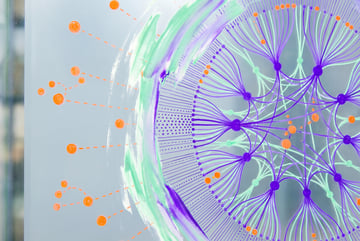
Claude Standard Memory vs Dreaming: Why Passive Storage Isn't Enough for Long-Running Agents
Standard Claude memory passively stores facts. Dreaming actively reorganizes them on a schedule. Here's why the difference matters for long-running managed…

GPT-5.5 Instant Memory Now Shows Which Saved Facts It Used — And Lets You Correct Them Inline
GPT-5.5 Instant's updated memory shows exactly which saved facts it pulled, with an inline correction menu. Here's what changed and how to use it.

How to Use Claude Code's Context Inheritance for Multi-Client Projects
Claude Code's parent folder context inheritance lets you share skills and methodology across clients while keeping brand context and memory separate per client.

GPT-5.5 Instant Memory Now Shows Which Saved Memory It Used — And 4 Other Hidden UI Changes
GPT-5.5 Instant's memory now cites which saved memory it pulled from. Plus four other interface changes most users haven't noticed yet.

What Is Static Context in AI Agents? How to Stop Getting Generic Outputs
Static context—your identity file, brand voice, and business positioning—is what separates generic AI outputs from ones that actually sound like you.

One Markdown File Controls Your Entire AI Second Brain — Here's How agents.md Works
A single agents.md file governs every AI action in your Obsidian vault. Edit it like a note and your agent behavior changes instantly.
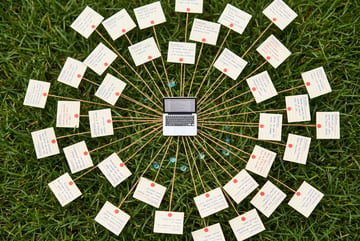
Andrej Karpathy's LLM Wiki: Build a Personal Knowledge Base with Obsidian and Codeex in 5 Minutes
Karpathy's LLM Wiki architecture, extended with a CRM and journal layer. Here's how to build it with Obsidian and Codeex today.

How to Use Hourly Automations to Auto-Process Your Knowledge Base
Set up hourly automations in Claude Code to process new web clips, extract entities, and build a self-updating wiki from your saved content.

How to Build an AI Second Brain with a Built-In CRM and Journal
Learn how to build a second brain using Obsidian and Claude Code with a wiki, CRM, and journaling system that responds from your saved knowledge.
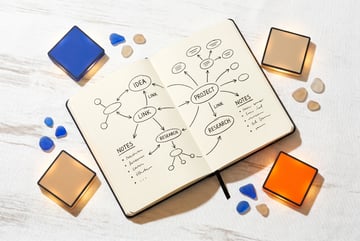
Build a 3-Pillar AI Second Brain in Obsidian: Wiki, CRM, and Journal That Talk to Each Other
Wiki, CRM, and journal — three Obsidian folders wired together so your AI grounds every answer in your actual saved knowledge.

How to Automate Your Obsidian Second Brain with Codeex: Hourly Processing, No Manual Triggers
Set Codeex to run hourly and it will process new clips, update your wiki, and push a GitHub backup — all without touching a button.

Obsidian Web Clipper vs. Granola for Second Brain Ingestion: Which Input Layer Should You Build On?
Web Clipper handles articles and YouTube. Granola handles meetings. Here's how to choose your ingestion layer — or combine both.

Build an AI CRM in Obsidian: Named Markdown Files + Codex Chat Queries for Contact Management
Store contact notes as named markdown files in Obsidian's /crm folder and query them via Codex chat. A zero-cost CRM that lives in plain text.

AI Second Brain Architecture: 7 Folders That Make Your Obsidian Vault Actually Intelligent
The right folder structure turns Obsidian from a passive note dump into an active AI knowledge base. Here are the 7 folders that make it work.

Andrej Karpathy's LLM Wiki: Build a Self-Updating AI Second Brain with Obsidian in 1 Hour
Karpathy's LLM Wiki spec is the blueprint. Add Obsidian, Codex automations, and a CRM layer to get a second brain that actually surfaces what you saved.