
spec-driven development Articles
Browse 54 articles about spec-driven development.

What Does 'Full-Stack' Actually Mean in an AI App Builder?
Most AI app builders claim full-stack. Few meet the bar. Here are the five criteria that separate a real backend from a polished demo.

How AI Compiles a Spec Into a Full-Stack App: The Real Pipeline
From markdown spec to deployed app: the parse, generate, compile, migrate, and deploy pipeline that turns annotated prose into production code.

Remy vs Airtable: Database-First or Spec-First Apps
Airtable starts from a spreadsheet and adds an interface. Remy starts from a plain-language plan and compiles a real app. Here's which shape fits your work.
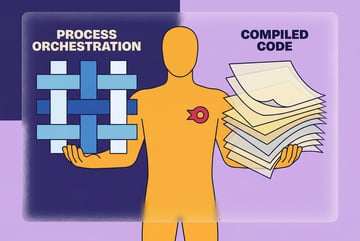
Remy vs Appian: AI Product Agent vs Enterprise Low-Code
Appian is enterprise low-code built on process automation. Remy compiles a plain-language plan into real, ownable code. Here's which one fits which job.
Remy vs Bubble: A Visual Canvas or a Plan You Own
Bubble builds apps on a visual canvas you assemble by hand. Remy compiles a plain-language plan into real code you own. Here's which fits your build.

Remy vs Codex: Two Different Bets on What an AI Builder Is
Codex is a coding agent that edits files and opens PRs in a repo you own. Remy compiles a plain-language spec into a deployed full-stack app. Which to use when.
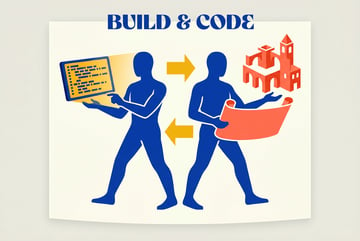
Remy vs Devin: Autonomous Coder or Spec-Driven Product Agent
Devin is an autonomous coding agent that works tasks in a codebase. Remy compiles a plain-language spec into a deployed full-stack app. Which one fits your job.

Remy vs Glide: Compiled Apps or Spreadsheet No-Code
Glide turns a spreadsheet into an app you point and click together. Remy compiles a plain-language plan into a real full-stack app you own. Here's the fit.

Remy vs Make: Visual Scenarios or AI-Compiled Apps?
Make wires apps together on a visual canvas of modules. Remy compiles a full-stack app from a plain-language plan. Here's which job each one is built for.

Remy vs n8n: Wiring Workflows or Compiling a Real App
n8n is open-source automation you can self-host and wire node by node. Remy compiles a full-stack app from a plain-language spec. Which fits which job?

Remy vs OutSystems: Spec-Driven vs Enterprise Low-Code
OutSystems is enterprise low-code with deep governance and compliance. Remy compiles a plain-language plan into real, ownable code. Here's which fits which job.

Remy vs Replit Agent: Full-Stack Builder Showdown
Replit Agent writes and runs code in a sandbox. Remy compiles a plain-language plan into a full stack with per-release databases. Here's which fits your build.

Remy vs Retool: When a Drag-and-Drop Builder Isn't Enough
Retool is the incumbent internal-tools builder. Remy compiles a plain-language plan into real, ownable code. Here's which one fits your team — and your budget.

Remy vs Windsurf: Comparing AI Builders for Real Software
Windsurf is an IDE-native coding agent that edits code in a project you own. Remy compiles a plain-language spec into a deployed full-stack app. Which to use.

Remy vs Zapier: Building Apps vs Connecting Apps
Zapier wires the apps you already use into automated workflows. Remy compiles a brand-new full-stack app from a plain-language plan. Here's which job is which.

The Spec Is the Program. The Code Is What Gets Compiled.
When the spec is the source of truth and code is compiled output, what happens when you edit the code? How reconciliation works in spec-driven development.

What Happens When You Edit the Code Remy Generated?
An honest walkthrough of spec-vs-code drift in Remy apps: what happens when you hand-edit dist/ code, how the sync button works, and the real tradeoffs.

The People Building Your Company's Next App Aren't Engineers
Finance, ops, and HR teams now ship real production apps with AI agents—not prototypes. Here's what changed, and what happens once those apps get used.

Why Your Next Codebase Should Be a Markdown File
Programming has climbed from punch cards to assembly to TypeScript. The next rung is annotated prose—a spec that compiles into full-stack apps.

Product Agent vs Coding Agent: The Category Is Splitting in Two
Coding agents edit code. Product agents compile specs into full-stack apps. Different jobs, different tools. Here's which one to use when.