
Claude Code Workflows
Daily-driver tricks, hidden commands, and productivity patterns for power users of Claude Code. Includes /compact, /btw, /simplify, /batch, effort levels, opus plan mode, token hacks, git worktrees, auto mode, buddy easter egg.

How to Use Claude Code /goal and Auto Mode Together for Fully Autonomous Workflows
Combine Claude Code's Auto Mode and /goal command to run tasks end-to-end without approvals or early stops. Here's the setup and when to use it.

Claude Code Ultra Code Mode Explained: When to Use /effort Max vs Dynamic Workflows
Ultra Code spawns parallel sub-agents for massive tasks while /effort max deepens single-agent reasoning. Learn which to use and when for best results.

How to Build an Expert AI Coding Workflow: Skills, Automations, Loops, and Cloud Agents
Top agentic coders use skills, automations, loops, and cloud agents to ship code 24/7. Here's the full workflow from beginner prompting to expert automation.

How to Use GLM 5.2 in Claude Code: Cheaper Agentic Workflows Without Sacrificing Quality
GLM 5.2 plugs into Claude Code via OpenRouter or Z.AI, cutting costs 5x vs Opus. Here's how to set it up and when to use it over frontier models.

How to Use /goal and /loop in Claude Code for Autonomous Long-Running Workflows
Combine /goal and /loop in Claude Code to define completion criteria and set recurring schedules so your agent runs until the job is truly done.

Claude Code for Non-Coders: Every Key Concept Explained Simply
Claude Code can feel intimidating without a coding background. This guide explains auto mode, skills, MCP, hooks, and memory in plain language.

How to Use the /goal and /loop Commands in Claude Code for Autonomous Long-Running Tasks
Combine /goal and /loop in Claude Code to create tasks that run on a schedule and won't stop until your end condition is met. Here's how to set it up.

How to Use Claude Code Ultra Code Mode for Deep Research and Complex Tasks
Ultra Code spawns parallel sub-agents using fan-out, adversarial verification, and tournament patterns. Learn when to use it and how to control token costs.

What Is the Slot Machine Method for Claude Code? Why Restarting Beats Correcting
When Claude makes a mistake, arguing makes it worse. The slot machine method says to rewind and re-run instead. Here's why it works and how to do it.

How to Use Claude Fable 5 Effort Levels: Low, Medium, High, and Max
Claude Fable 5 has five thinking modes. Learn when to use low vs max effort, why overkill hurts performance, and how to match effort to task complexity.

How to Build an Agentic Loop with Claude Code: Verification, Cost, and Stopping Criteria
Learn how to design agentic loops in Claude Code with proper verification steps, spending limits, and stopping conditions to avoid runaway token costs.

What Is an Agentic Loop? The New Meta for AI Coding Agents
Agentic loops let AI agents prompt themselves instead of waiting for you. Learn what they are, how to build one, and when not to use them.
What Is Loop Engineering? The New Meta for AI Coding Agents
Loop engineering replaces manual prompting with goal-based automation. Learn what loops are, how they work, and when to use them in your AI workflows.

Claude Code Skills for Non-Technical Teams: How to Build, Name, and Structure Them
Learn how to build Claude Code skills that non-engineers can actually use—with the right name, description, and reference file structure.

How Anthropic's Non-Engineering Teams Use Claude Code: 4 Patterns That Work
Legal, marketing, design, and finance teams at Anthropic use Claude Code differently than engineers. Here are the four patterns that drive real results.

What Is the Slot Machine Method for AI Agents? Why Restarting Beats Correcting
Anthropic's own teams restart Claude sessions instead of correcting drift. Learn why this approach produces better results and how to apply it.

How to Use Claude Code for Non-Engineers: 4 Patterns from Anthropic's Own Teams
Anthropic's legal, marketing, design, and finance teams use Claude Code without coding skills. Here are the 4 patterns that drive their results.

How to Mix Claude and Gemini 3.5 Flash in One AI Coding Workflow for Better Frontends
Use Claude Opus for planning and page copy, then Gemini 3.5 Flash for UI design. This multi-provider workflow builds better full-stack apps at lower cost.

How to Mix Claude and Gemini 3.5 Flash in One AI Coding Workflow
Use Claude Opus for planning and reasoning while Gemini 3.5 Flash handles UI generation. Learn how to mix providers in a single multi-step coding workflow.

How to Use the /insights Command in Claude Code to Audit Your AI Workflow
The /insights command generates a 30-day HTML report on your Claude Code usage, surfacing what's working, what's slowing you down, and what to build next.
How to Use Claude Code /rewind to Roll Back Conversations and Code to Any Checkpoint
The /rewind command in Claude Code lets you roll back both code and conversation to an earlier point—better than correcting mistakes mid-session.

How to Use the /status Line in Claude Code to Monitor Context and Model in Real Time
The Claude Code status line shows your model, effort level, and context usage at a glance. Here's how to configure it and why it matters for long sessions.

What Is Claude Opus 4.8 Overthinking? Why Max Mode Can Hurt Performance
Claude Opus 4.8 sometimes overthinks on constitutional questions in max mode, reducing effectiveness. Here's what it means and when to use high vs max.
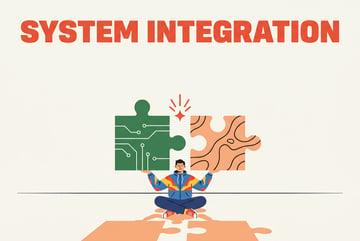
How to Mix Claude and Gemini in One AI Coding Workflow for Better Results
Use Claude Opus for planning and Gemini 3.5 Flash for UI design in a single multi-provider workflow. Here's the architecture and how to implement it.