
Self-Improving AI Systems
Recursive self-improvement claims, autonomous learning loops, AutoResearch-style overnight optimization. Whether the 'self-improving AI' framing is real or marketing.

What Is Claude Dreaming? Anthropic's Self-Improving Agent Memory Feature
Claude Dreaming reviews past agent sessions to find patterns, fix recurring mistakes, and restructure memory automatically. Here's how it works.

How to Set Up Claude Dreaming for Persistent Agent Memory: Step-by-Step Guide
Claude's Dreaming feature auto-reviews sessions and pre-loads patterns for future runs. Here's how to configure it for your agent workflows.

Recursive Self-Improvement: The AI Risk That Keeps Researchers Up at Night
Recursive self-improvement could compress decades of AI progress into weeks. Learn what it is, why it matters, and what frontier labs are doing about it.

How to Build a Self-Improving AI Agent That Learns From Its Own Mistakes
Self-healing agent loops use diagnostic feedback to iterate and improve over time. Here's how to build one using Claude Code and a custom benchmark harness.

How to Build Self-Improving AI Skills in Claude Code
Claude Code skills can get better over time with feedback loops and learnings files. Here's how to build skills that refine themselves with every use.

How AI Coding Models Are Triggering a Flywheel Effect Across the Industry
Anthropic's coding lead is forcing Google, OpenAI, and xAI to react. Here's why coding ability has become the central battleground in the AI race.

Claude Code Skills: How to Build Self-Improving AI Workflows for Your Business
Claude Code skills are reusable process documents that get better with feedback. Here's how to create, refine, and chain them for business automation.

What Is the Compounding Knowledge Loop in Claude Code? How Your Agent Gets Smarter Over Time
Claude Code's session hooks capture learnings automatically, building a wiki that improves agent answers over time. Here's how the compounding loop works.

How to Build a Self-Evolving Claude Code Memory System With Obsidian and Claude Code Hooks
Use Claude Code hooks to automatically capture session logs, extract lessons, and build a wiki that grows smarter with every conversation.

The Lethal Trifecta: Why AI Second Brains Are a Security Risk
Private data access, untrusted content, and exfiltration vectors create the lethal trifecta. Learn how to build a safer AI second brain from scratch.

What Is the Auto Research Loop? How AI Models Now Train Themselves
From MiniMax M2.7 to OpenAI Codex, AI models are now helping build the next version of themselves. Here's how the auto research loop works and why it matters.

How to Build a Self-Learning AI Skill System with a Learnings.md File and Wrap-Up Skill
Learn how to build a Claude Code skill system that captures what worked, what failed, and improves automatically after every session.

How to Build a Self-Learning Claude Code Skill with a Learnings.md File
Add a learnings.md file to any Claude Code skill and it will capture what worked, what failed, and what to do differently — improving automatically over time.

What Is MiniMax M2.7? The Self-Evolving AI Model That Handles 30–50% of Its Own Training
MiniMax M2.7 autonomously debugs and optimizes its own training pipeline. Here's what self-evolving AI models mean for agents and automation.

How to Build a Claude Code Skill That Learns From Every Run
Add a learnings loop to your Claude Code skills so they automatically capture what works and improve over time without manual eval runs after every session.

What Is MiniMax M2.7? The Self-Evolving AI Model Explained
MiniMax M2.7 autonomously improved itself 30% on internal benchmarks using recursive self-optimization. Here's how it works and why it matters for AI agents.

How to Build a Learnings Loop for Claude Code Skills That Self-Improve
Learn how to add a learnings.md feedback loop to your Claude Code skills so every session makes your AI workflows smarter and more consistent over time.

What Is the AutoResearch Eval Loop? How to Score AI Skill Quality with Binary Tests
Learn how to apply Karpathy's AutoResearch pattern to Claude Code skills using binary yes/no evals to score and improve output quality automatically.

How to Use AutoResearch to Optimize Any Business Metric Autonomously
AutoResearch runs experiments in a loop to improve any measurable metric—cold email reply rates, landing page conversions, ad copy—with zero human involvement.

How to Use GitHub Actions to Run AutoResearch Experiments on a Schedule
Deploy an AutoResearch loop to GitHub Actions to run A/B experiments on cold email, landing pages, or AI skills automatically every hour without a server.

What Is the Learnings Loop? How Claude Code Skills Improve From Your Feedback
The learnings loop lets Claude Code skills update their own instructions based on your feedback. Here's how it works and why it matters for AI workflows.
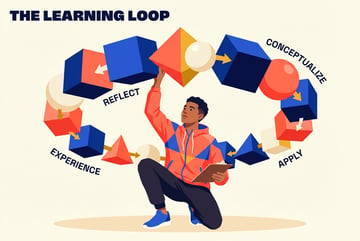
How to Build a Self-Improving AI Skill System for Marketing and Content Creation
Chain Claude Code skills with shared brand context, a learnings loop, and eval scoring to build a marketing system that improves automatically over time.

How to Build a Self-Maintaining AI System with Heartbeat and Wrap-Up Skills
Learn how to build an AI system that syncs itself automatically using heartbeat scans and wrap-up skills inspired by OpenClaw's memory architecture.

How to Use the AutoResearch Loop for Cold Email Optimization with GitHub Actions
Connect your cold email platform API, define a reply rate metric, and run an autonomous challenger-baseline loop on a schedule using GitHub Actions.