ByteDance Volcano Arc: How Seedance Is Solving the IP Problem for AI Video
ByteDance's Volcano Arc platform licenses real actor likenesses and film assets for AI video generation with revenue sharing. Here's how it works.
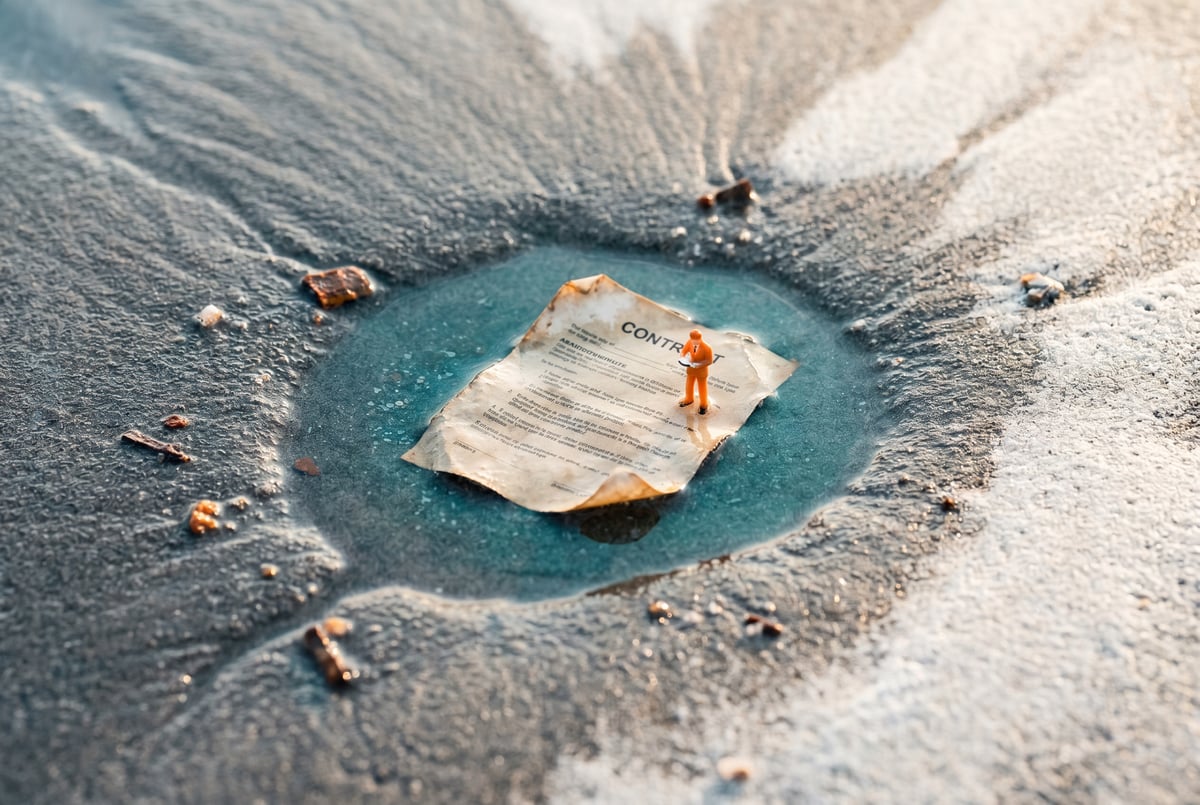
The Thorniest Problem in AI Video Isn’t the Model
AI video generation has gotten remarkably good. You can now prompt your way to photorealistic footage in seconds. The models exist. The compute exists. The interfaces exist.
But here’s what doesn’t exist at scale: the legal right to use most of it commercially.
That’s the IP problem. And it’s not a minor footnote — it’s the wall that separates AI video from becoming a mainstream production tool. Every time a studio, brand, or creator wants to use AI-generated footage featuring a recognizable face, a copyrighted film style, or a licensed character, they run into a legal dead end.
ByteDance’s Volcano Arc platform, combined with its Seedance video generation model, is attempting to solve this in a structurally different way than anyone else. Instead of hoping the legal situation resolves itself, they’re building a licensing infrastructure directly into the platform — one that compensates rights holders through revenue sharing and gives creators legitimate access to real actor likenesses and film assets for AI video generation.
Here’s how it actually works.
What Volcano Arc and Seedance Actually Are
ByteDance runs one of the largest media and tech ecosystems in the world through TikTok, Douyin, CapCut, and various other products. Volcano Engine (internationally branded as Volcano Arc) is their enterprise cloud and AI platform — the infrastructure layer that powers ByteDance’s own products and is offered to third-party developers and businesses.
- ✕a coding agent
- ✕no-code
- ✕vibe coding
- ✕a faster Cursor
The one that tells the coding agents what to build.

Seedance is ByteDance’s flagship AI video generation model, built on top of that infrastructure. It’s designed for commercial video production — not just demos and experiments, but actual deployable content.
Compared to other video generation models like Sora, Veo, or Kling, Seedance is notable for a few technical reasons:
- Temporal consistency — Objects, faces, and environments stay visually coherent across frames, which is still a challenge for many models
- Instruction following — It handles complex, multi-element prompts more reliably than most competitors
- Resolution and duration — It can generate longer clips at higher resolutions than earlier-generation models
But the technical specs aren’t really the story here. The story is what ByteDance has built around the model.
The IP Problem in AI Video, Explained
Before getting into how Volcano Arc addresses this, it’s worth understanding exactly why the IP problem is so serious.
Why likenesses matter
When you generate an AI video that includes a photorealistic human face, you’ve created something legally ambiguous at best. If that face resembles a real person — an actor, a celebrity, a public figure — you’re potentially in violation of that person’s right of publicity, which protects individuals from having their likeness used commercially without consent.
This isn’t hypothetical litigation bait. It’s a real constraint. Major brands avoid AI-generated celebrity likenesses specifically because of this exposure.
Why film assets are equally complicated
Hollywood studios own the copyright to virtually everything in their films — the sets, the costumes, the cinematography style in some cases, specific props and characters. Generating AI footage that mimics a recognizable film aesthetic or includes elements derived from copyrighted source material puts you in similar territory.
The training data question
There’s a separate but related issue: most AI video models were trained on large datasets of internet video, much of which includes copyrighted content. Several studios and actor unions have raised objections to this training process, arguing it constitutes unauthorized use of their work.
This has created a situation where even the most technically capable AI video tools carry legal uncertainty for serious commercial use.
How ByteDance’s Licensing Model Works
Volcano Arc’s approach is to flip the model. Rather than letting users generate anything and deal with the legal fallout afterward, the platform establishes licensing relationships upfront with rights holders — actors, studios, and content owners — and makes those licensed assets available within the generation interface.
Licensing real actor likenesses
The core innovation is that actors and performers can license their digital likeness to the Volcano Arc platform. When a creator or brand uses the platform to generate video, they can include those licensed likenesses — effectively hiring an actor’s digital presence for a production.
The actor receives compensation through a revenue-sharing structure tied to how their likeness is used. This is fundamentally different from AI tools that scrape and replicate faces without consent. Here, the actor has agreed to participate, negotiated terms, and receives ongoing compensation.
This model has precedent. Several actors have separately negotiated digital likeness deals with productions — the difference with Volcano Arc is that it’s standardized, scalable, and built directly into a creative production platform.
Licensing film assets and visual styles
Beyond individual likenesses, Volcano Arc has also pursued licensing arrangements with film studios and content owners. This covers visual elements — production design aesthetics, franchise-adjacent assets, IP-adjacent content — that would otherwise be off-limits.
Think of it like a stock footage library, but for AI generation inputs. Instead of downloading a clip and editing it, you’re generating new footage that draws from licensed visual styles and elements.
Revenue sharing structure
The revenue sharing mechanics work roughly like this:
- Rights holders (actors, studios) license their assets to the Volcano Arc platform
- Creators and brands pay to use those assets in generated videos
- A portion of that usage fee flows back to the rights holder
The specific splits aren’t fully public, but the structure mirrors how streaming royalties or stock licensing works — usage-based compensation rather than a single buyout. This is important because it means rights holders benefit more as their likenesses become more popular and widely used, which creates an incentive for them to participate.
Why This Is Different from Other Approaches
The AI video space has taken several different approaches to the IP problem. Understanding how they differ helps clarify why the Volcano Arc model is significant.
The “train on public data and hope” approach
Most early AI video models trained on public internet data and operated under the assumption that training on publicly available content was legally permissible. Courts are still sorting this out, but several major lawsuits are pending. This approach leaves commercial users exposed.
The “generate only fictional people” approach
Some platforms try to sidestep the likeness issue by generating clearly fictional people — no one specific, no real faces. This works for some use cases but severely limits what you can do with the footage. You can’t feature a recognizable performer or build campaigns around real public personas.
The “get direct consent for each production” approach
Some productions have negotiated direct deals with individual actors for AI likeness rights. This works, but it’s slow, expensive, and not scalable. It doesn’t help the mid-market creator or the brand that doesn’t have the resources to run individual negotiations.
The Volcano Arc approach
Volcano Arc’s model is closer to what music licensing platforms did for the music industry — standardize the rights layer so that creators can work quickly without negotiating individual deals, while rights holders receive fair and consistent compensation. It’s a marketplace model applied to human likenesses and creative IP.
This doesn’t solve every legal question, and it doesn’t mean there are no edge cases. But it provides a much cleaner legal foundation than anything that came before it.
What This Means for Creators and Studios
The practical implications depend on where you sit in the production ecosystem.
For brands and advertisers
This opens up the possibility of AI video campaigns featuring real, recognizable talent at a fraction of traditional production cost. Licensing a digital likeness for a regional ad campaign is now potentially achievable for brands that couldn’t afford a full celebrity shoot.
It also reduces legal exposure significantly. When a brand’s legal team asks “do we have rights to this?”, the answer under a platform-licensed model is clear.
For independent creators
Plans first. Then code.
Remy writes the spec, manages the build, and ships the app.
Independent filmmakers and content creators gain access to production assets that were previously behind expensive studio walls. Generating footage with professional-grade visual styles and licensed elements democratizes certain aspects of production — without the term “democratize” meaning it’s suddenly free or without constraints.
For actors and performers
This is more nuanced. Some performers see AI likeness licensing as an opportunity — a revenue stream that doesn’t require showing up to set. Others have concerns about what it means for the broader acting profession if AI performances can replace human ones at scale.
The Volcano Arc model at least puts the choice in the performer’s hands and compensates them for participation. Whether the terms are fair over time will depend on how the industry negotiates them — and organizations like SAG-AFTRA have been actively involved in establishing standards for exactly this kind of arrangement.
For studios and IP owners
Studios see this as a potential revenue stream from IP they’ve already created. Classic film aesthetics, franchise-adjacent visual elements, and licensed assets could generate ongoing income through usage fees rather than requiring new production.
The Broader Context: AI Video and the Rights Landscape
ByteDance isn’t operating in a vacuum. The AI video IP question is being worked through across the industry simultaneously.
SAG-AFTRA has been negotiating AI provisions into union contracts, establishing minimum standards for how actor likenesses can be used in AI productions. The EU AI Act includes provisions around biometric data and likeness use. Several U.S. states have passed or are considering right-of-publicity laws specifically addressing AI.
The regulatory direction is fairly clear: AI video platforms that want to operate commercially in major markets will need explicit consent from rights holders. The question is whether that consent infrastructure gets built at the platform level (as ByteDance is attempting) or gets negotiated deal by deal.
Volcano Arc’s bet is that platform-level standardization will win because it’s faster, cheaper, and more scalable for everyone involved.
Frequently Asked Questions
What is ByteDance Volcano Arc?
Volcano Arc (also known as Volcano Engine) is ByteDance’s enterprise cloud and AI platform. It powers many of ByteDance’s own products internally and is available to external developers and businesses. It serves as the infrastructure layer for Seedance, ByteDance’s AI video generation model, along with other AI tools and services.
What is Seedance and how does it differ from other AI video models?
Seedance is ByteDance’s AI video generation model, notable for strong temporal consistency (keeping visuals coherent across frames), detailed instruction following, and support for longer, higher-resolution clips. What sets it apart from models like Sora or Kling isn’t just technical capability — it’s the licensing infrastructure ByteDance has built around it to allow legitimate commercial use of real actor likenesses and film assets.
How does AI actor likeness licensing work?
Actors and performers negotiate agreements with the Volcano Arc platform to license their digital likeness. Once licensed, creators using the platform can generate video featuring those likenesses in exchange for a usage fee. The actor receives a portion of that fee through a revenue-sharing arrangement. The specific terms vary, but the model is consent-based and compensation-based — which is the key distinction from AI tools that replicate faces without permission.
Is AI-generated video with licensed likenesses legally safe to use commercially?
It’s significantly safer than using AI-generated footage with unlicensed likenesses, but “legally safe” is never an absolute guarantee. Platform-level licensing removes the largest legal risk — unauthorized use of someone’s likeness — but commercial use of AI video still involves other considerations: music rights in the audio, any incidental copyrighted material captured in reference imagery, and jurisdiction-specific regulations. Consult legal counsel for any significant commercial production.
What’s the revenue sharing model for film assets on Volcano Arc?
The specific terms ByteDance offers to studios and IP holders for film assets aren’t fully public. The general structure is usage-based: rights holders receive compensation tied to how frequently and in what contexts their licensed assets are used within the platform, rather than a single flat fee. This is similar to how streaming royalties work in music — usage generates ongoing revenue rather than a one-time payment.
How does Volcano Arc’s approach compare to how other AI video platforms handle IP?
Most competing platforms either train on public internet data and leave IP questions unresolved, or restrict generation to clearly fictional content to avoid the issue entirely. Volcano Arc’s approach is to build a standardized licensing marketplace into the platform itself, so that rights holders are compensated and creators have clear legal standing for their generated content. It’s the most systematic attempt to solve the IP problem at the platform level, though it’s still early and the ecosystem of licensed assets is growing rather than comprehensive.
Key Takeaways
- AI video generation has a serious IP problem — using real likenesses, film assets, or IP-derived content without explicit consent creates legal exposure that blocks commercial use at scale.
- ByteDance’s Volcano Arc platform, paired with the Seedance video model, attempts to solve this by building a licensing marketplace directly into the platform — actors and studios license their assets, creators pay to use them, rights holders receive revenue share.
- This model is structurally different from other approaches: it standardizes consent and compensation rather than leaving each production to negotiate individual deals or operate in legal gray areas.
- For brands, creators, and studios, a working licensing layer could meaningfully expand what’s commercially viable in AI video — the technical capability has existed for a while, but the rights infrastructure has lagged behind.
- The broader industry is moving in this direction regardless — regulatory pressure and union negotiations are pushing AI video platforms toward explicit consent-based models. ByteDance is betting that building this infrastructure first creates a durable competitive advantage.
- If you’re building production workflows around AI video, tools like MindStudio’s AI Media Workbench let you access and chain multiple video models without managing separate APIs or accounts.