What Is Perplexity Computer? The AI Agent That Runs Tasks on Mac Mini Hardware
Perplexity Computer is an AI agent that runs on dedicated Mac Mini hardware to handle tasks like recruiting, slide decks, and marketing analysis 24/7.
The Idea Behind Perplexity Computer
Most AI tools answer questions. Perplexity Computer does work.
Announced by Perplexity AI, Perplexity Computer is an AI agent that pairs with dedicated Mac Mini hardware to handle business tasks autonomously — recruiting, building slide decks, marketing analysis, and more — around the clock, without requiring you to sit at a keyboard.
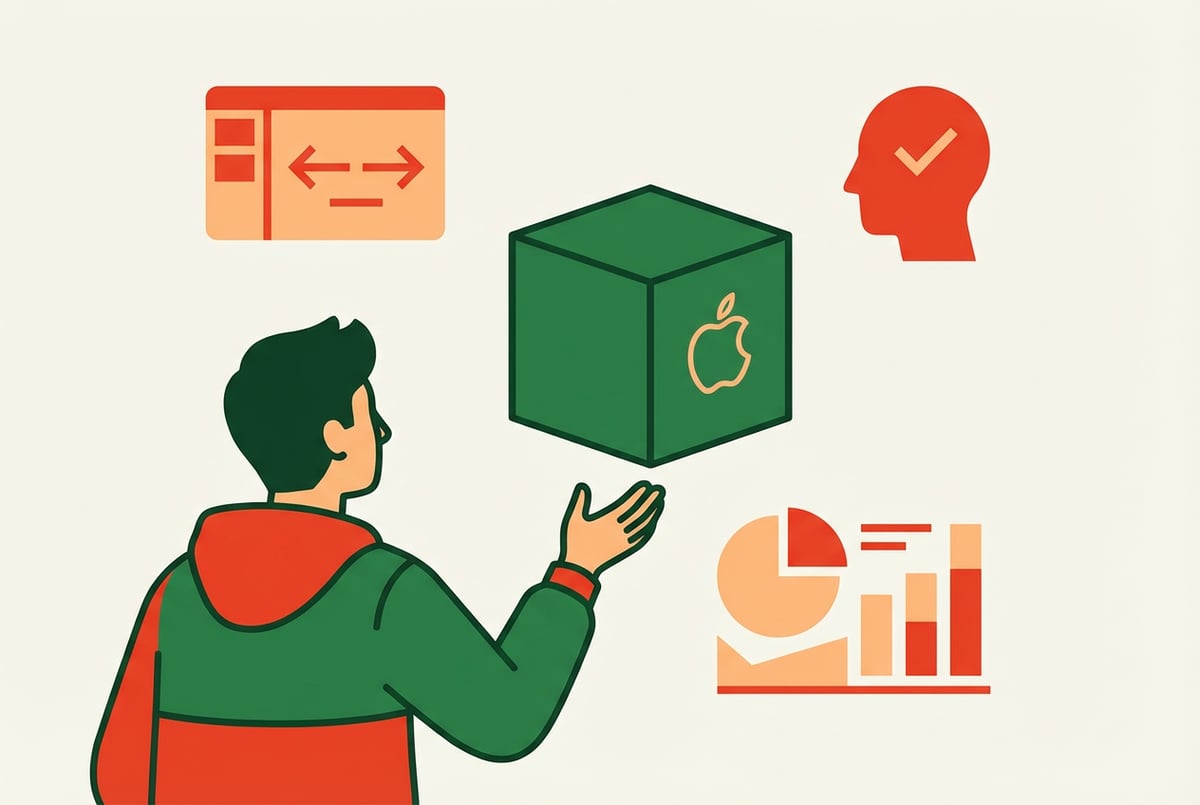
The concept is a meaningful departure from how AI has typically been used. Instead of querying a model and waiting for a response, you assign ongoing work to an agent that operates independently. The Mac Mini runs continuously, the agent has full access to macOS applications, and tasks complete whether you’re in a meeting, asleep, or on vacation.
That framing — AI as a worker rather than a tool — is what makes Perplexity Computer worth understanding, even if you never buy one.
How Perplexity Computer Actually Works
To understand what Perplexity Computer is, you need to understand two things: the technology running the agent, and why physical hardware matters.
Computer Use: Agents That See and Click
The foundation of Perplexity Computer is a capability called “computer use.” This refers to AI models that perceive a screen through screenshots and interact with it by simulating mouse clicks, keyboard input, and scrolling — essentially operating a computer the way a person would.
Other agents start typing. Remy starts asking.
Scoping, trade-offs, edge cases — the real work. Before a line of code.

The agent looks at what’s on the display, decides what step to take next, and executes it. It can open applications, fill out forms, navigate websites, copy and paste data, and trigger workflows. All without custom integrations or API access to each tool.
This is structurally different from traditional automation. Tools like Zapier or Make rely on structured API connections between apps — if a trigger fires, a predefined action runs. Computer use agents operate at the interface level, adapting to whatever they see on screen. That flexibility is what lets them handle a wider range of tasks, including ones on platforms that don’t expose public APIs.
The Mac Mini as a Dedicated AI Workstation
The Mac Mini isn’t a random hardware choice. Running macOS gives the agent access to the full Apple application ecosystem — Keynote, Pages, Safari, Mail, and any other software installed on the machine. That coverage extends the range of tasks the agent can handle.
More importantly, the Mac Mini provides dedicated, persistent compute. Shared cloud browser sessions — the alternative for most web-based agents — compete for resources with other users and frequently hit session limits or timeouts. A physical Mac Mini assigned to your account doesn’t have those constraints. The agent gets consistent performance and can sustain long-running tasks without interruption.
Perplexity handles configuration. The device arrives pre-loaded with the necessary software, and the agent is ready to use without setup from the user’s end.
Always-On Operation
Because the Mac Mini sits on your network and runs continuously, the agent isn’t limited to working hours. You can assign a task at 6 PM and find the output ready the next morning. You can run weekly research cycles on a schedule. You can keep background jobs running in parallel with your regular workday.
This 24/7 availability changes the operational model. The agent isn’t an on-demand assistant — it’s closer to a persistent team member that never stops.
What Tasks Perplexity Computer Can Handle
Perplexity Computer targets knowledge work — tasks that involve browsing, research, document creation, and data assembly. Here’s a closer look at the core use cases.
Recruiting and Talent Sourcing
Recruiting is one of the headline use cases. The agent can search job boards and professional networks, identify candidates that match a job description, compile contact information, and draft initial outreach messages.
The fit is intuitive. Talent sourcing involves a lot of repetitive searching and data collection — work that’s tedious for humans but well within an agent’s capabilities. The agent doesn’t lose focus after the 40th candidate search. It applies the same criteria consistently throughout the process.
For recruiting teams, this shifts the work from raw search to evaluation and relationship building — the parts where human judgment actually matters.
Slide Decks and Presentations
Perplexity Computer can assemble presentation materials by researching a topic, locating relevant data and statistics, summarizing source material, and organizing it into a structured outline or draft.
It won’t replace a designer’s eye for layout or a strategist’s framing of a business story. But the research and assembly phase — finding the data, pulling the right numbers, structuring the narrative — often consumes most of the time spent building a deck. The agent handles that leg of the work.
Marketing Analysis and Competitive Research
The agent can monitor competitor websites, pull pricing information, review product pages, and compile comparison reports. It can track industry news, summarize analyst coverage, and flag relevant developments on a schedule.
For marketing and strategy teams, this replaces hours of manual weekly research. The agent runs on cadence and delivers structured outputs that analysts can build from, rather than starting from scratch each week.
Other Task Categories
Beyond the core three, users are applying Perplexity Computer to:
- Scheduling and calendar management
- Data entry and form completion
- Web scraping and price monitoring
- Email draft generation and follow-up tracking
- Research aggregation for reports and briefs
- Lead generation and CRM updates
The common thread is that the task needs to be definable and repeatable. If you can describe a sequence of steps a person would take on a computer to complete the work, it’s likely a candidate.
Why Hardware? The Case for Physical Compute
It’s a reasonable question. Nearly every AI product runs in the cloud. Why ship a physical device?
The answer comes down to four practical advantages.
Dedicated performance. A Mac Mini assigned to your account doesn’t share resources with anyone else. The agent gets consistent compute, and you’re not affected by other users’ workloads or platform-wide traffic spikes.
Persistent state. Cloud sessions for browser-based agents are often stateful but fragile. They can timeout mid-task, lose context after an inactivity window, or get interrupted by infrastructure issues. A local machine maintains state continuously, which matters for tasks that take hours or span multiple days.
Application access. macOS gives the agent access to desktop applications that don’t have public APIs. The agent can interact with software that web-only agents simply can’t reach.
Local network integration. The Mac Mini sits inside your network, which means it can interact with internal tools, local file systems, and services that aren’t exposed to the public internet — a significant advantage for organizations with on-premises infrastructure.
The trade-offs are real, too. Physical hardware means shipping logistics, hardware maintenance risks, and a device tied to one location. It’s not the right model for every use case. But for enterprise users running persistent, high-volume workloads, the advantages outweigh the operational overhead.
Where Perplexity Computer Fits in the AI Agent Landscape
Perplexity Computer didn’t appear in isolation. It’s part of a broader shift in how AI systems are being designed and deployed.
From Query to Autonomous Action
The evolution of AI products over the past few years follows a recognizable arc. First came conversational AI — ask a question, get an answer. Then came tool use — AI that could search the web, run code, or call an API within a single session. Now comes autonomous action — agents that operate independently across multiple steps, over extended time periods, without a human in the loop at every stage.
Perplexity Computer is firmly in that third category. It’s not a search product. It’s an agent built for sustained, unsupervised execution.
Multi-Agent Workflows
One coffee. One working app.
You bring the idea. Remy manages the project.
Products like Perplexity Computer also point toward multi-agent architectures, where different agents handle different parts of a workflow. In recruiting, for example, one agent might source candidates, a second might score them against criteria, and a third might draft personalized outreach. Coordinating specialized agents — and ensuring reliable handoffs between them — is the design challenge the field is actively working through.
Perplexity Computer represents one approach: a single, capable agent with broad computer use abilities. Multi-agent systems take a different approach, distributing work across specialized components. Both models are viable depending on the task.
Computer Use as a Packaged Product
Anthropic’s Claude, OpenAI’s GPT-4o, and other leading models all support computer use to varying degrees. What Perplexity Computer does is package that capability with dedicated hardware, a managed setup experience, and an interface accessible to non-technical users.
That productization matters. It closes the gap between “computer use is technically possible” and “a business team can actually deploy it.” Most companies don’t have the engineering resources to stand up their own persistent agent infrastructure — products like Perplexity Computer do that work for them.
For a deeper look at how autonomous agents differ from traditional automation, this overview of AI agents and their capabilities covers the key distinctions clearly.
Frequently Asked Questions
What is Perplexity Computer?
Perplexity Computer is an AI agent product from Perplexity AI that runs on dedicated Mac Mini hardware. It uses computer use capabilities — perceiving a screen and taking actions like clicking, typing, and scrolling — to perform business tasks autonomously, 24/7, without requiring user intervention for each step.
How is Perplexity Computer different from standard Perplexity AI?
Standard Perplexity AI is a search and research tool — you ask it questions, and it finds and synthesizes answers. Perplexity Computer is an autonomous agent that executes multi-step tasks over time, operating a physical Mac Mini independently rather than responding to individual queries.
What kinds of tasks can Perplexity Computer handle?
Documented use cases include talent sourcing, candidate outreach, slide deck research and assembly, competitive marketing analysis, data entry, scheduling, web scraping, price monitoring, and email drafting. Any task that can be defined as a repeatable sequence of steps on a computer screen is a reasonable candidate.
Why does Perplexity Computer use a Mac Mini instead of running in the cloud?
The Mac Mini provides dedicated compute that doesn’t share resources with other users, persistent operation without session timeouts, access to macOS desktop applications, and integration with local networks. These advantages are difficult for shared cloud browser sessions to consistently replicate, especially for long-running or complex tasks.
Is Perplexity Computer available to individual users or just enterprises?
Perplexity Computer is positioned as a premium offering. It was announced with enterprise use cases front and center, and availability has been limited during initial rollout. It is not a standard consumer product available to all Perplexity subscribers.
How does computer use AI actually work?
Computer use AI models take screenshots of a screen, analyze what they see, and decide what action to take — clicking a button, typing text, scrolling a page. This happens iteratively: take a screenshot, determine the next action, execute it, take a new screenshot, repeat. It’s described in detail in Anthropic’s computer use documentation, which covers how models like Claude approach screen-level interaction.
Key Takeaways
- Perplexity Computer is an AI agent from Perplexity AI that uses dedicated Mac Mini hardware and computer use capabilities to perform business tasks autonomously, around the clock.
- Core use cases include talent sourcing and recruiting, slide deck research and assembly, competitive marketing analysis, and data collection — work that’s repetitive and time-consuming for humans.
- The hardware model provides consistent performance, persistent operation, desktop application access, and local network integration — advantages that shared cloud sessions struggle to match.
- Computer use AI — the ability to perceive a screen and take actions — is the underlying technology. Perplexity packages this with managed hardware to make deployment accessible without engineering resources.
- The broader trend is AI moving from a query tool to an autonomous agent category, with multi-agent workflows handling increasingly complex business processes.
- If you want always-on, autonomous AI agents for similar tasks without managing physical hardware, MindStudio lets you build and deploy them through a no-code platform — free to start, with agents that connect to the business tools your team already uses.