
GenSpark Second Brain Note: A MagSafe AI Recorder That Acts for You
GenSpark's Second Brain Note is a MagSafe recording card that feeds meetings and conversations into an AI memory system that drafts and acts.
What is the GenSpark Second Brain Note?
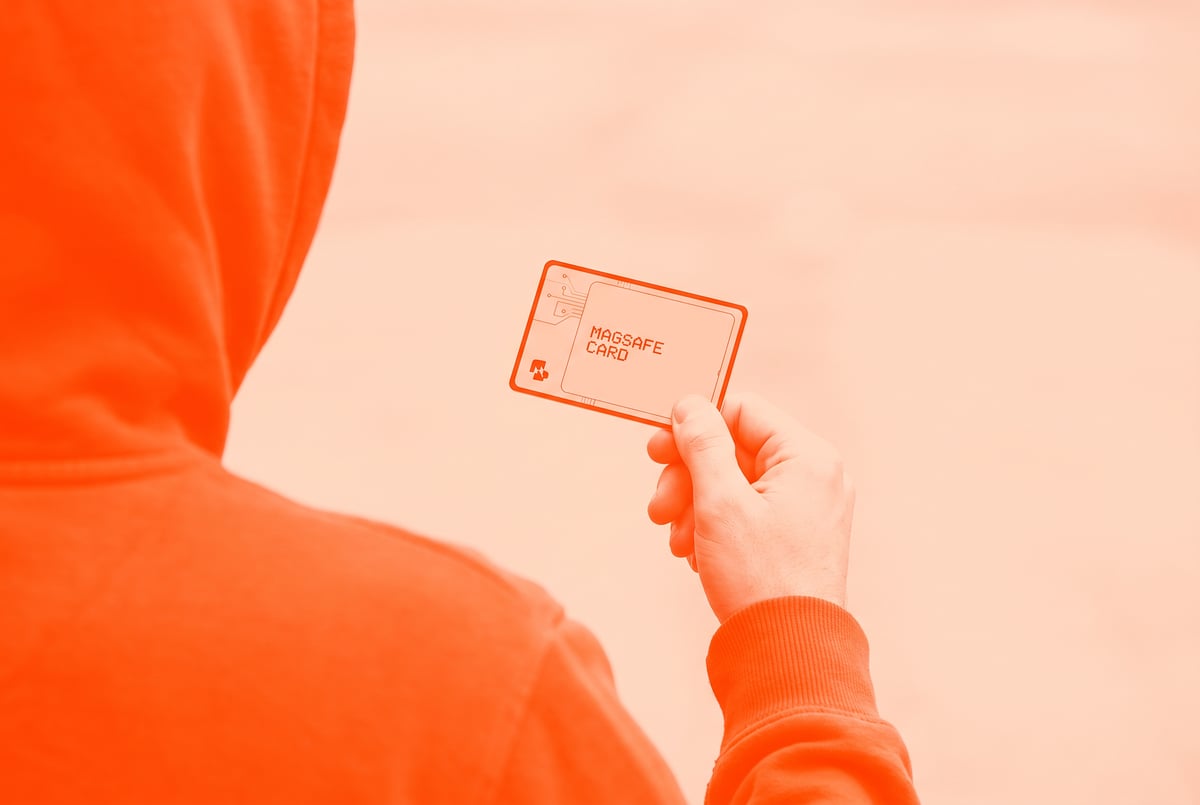
The Second Brain Note is a credit-card-sized recording device from GenSpark, the AI workspace company, that snaps onto the back of a phone using MagSafe and captures audio from meetings, calls, and stray ideas. It weighs 26 grams and measures 2.9 millimeters thick, thin enough to sit flush against a phone case. Press the button for two seconds and it starts recording, feeding everything into GenSpark’s Second Brain memory system, which stores and organizes the audio and lets an AI agent act on it later, drafting emails, building briefs, or pulling up something said weeks ago.
TL;DR
- The device is a MagSafe-mounted recording card with a four-microphone array and a bone conduction sensor that reportedly picks up both sides of a phone call through vibration alone.
- Battery life runs to 35 hours of continuous recording, and the card holds 64GB of local storage, enough for roughly 7,000 hours of audio before it clears itself after syncing.
- Captured audio, calls, and voice memos all feed into Second Brain, GenSpark’s cross-app memory layer that also connects to Gmail, Calendar, Slack, Notion, Google Workspace, and HubSpot.
- The system’s Super Agent doesn’t just retrieve information, it acts on it: drafting follow-up emails, prepping meeting briefs, or writing outlines from flagged voice highlights.
- Pricing launched as a limited first release at $179 (10% off $199), including the device, charger, and a MagSafe wallet.
- Free GenSpark users get 300 minutes of transcription a month, while Plus and Pro subscribers get up to 24 hours of AI transcription and summaries per day.
- The hardware itself is described as just an “input port.” The actual product is the compounding memory system behind it, which is meant to get smarter the longer someone uses it.
Seven tools to build an app. Or just Remy.
Editor, preview, AI agents, deploy — all in one tab. Nothing to install.

How does the hardware actually work?
The card uses a four-microphone array combined with AI beamforming, which GenSpark says can isolate clear audio from up to 5 meters (about 16 feet) away and separate individual voices even in noisy rooms. When mounted on the back of a phone, a bone conduction sensor also picks up phone call audio directly through the device’s vibrations rather than relying on the phone’s speaker, which is how it captures both sides of a call without needing to tap into the call itself.
A single tap during a recording flags a highlight, useful for marking the moment a decision gets made or an idea worth remembering surfaces, so users don’t have to scrub through a long recording later to find it. A visible privacy light indicates when the device is recording. Once synced, local audio clears from the device’s 64GB of storage, which is rated for roughly 7,000 hours of recordings before that happens.
What makes the memory system different from built-in AI chat memory?
Most AI assistants with “memory,” including features in ChatGPT and Claude, only remember what’s been typed into that specific chat interface. Second Brain is built to be cross-app and cross-source: it pulls from voice recordings, email, calendar entries, Slack messages, Notion pages, and CRM data (HubSpot was named as a supported connector) into a single context layer. The pitch is that this context compounds. Every meeting, call, and email adds to the same memory, rather than resetting each time a chat window closes.
That distinction matters for a specific use case: someone who takes a lot of unstructured meetings and has stray ideas hit them away from a keyboard. Instead of separately taking notes, then searching for them later, the system is designed to hold everything in one place automatically and connect the dots between a comment made on a call three weeks ago and an email that needs to go out today.
What can the Super Agent actually do with captured notes?
GenSpark frames this as the real differentiator over standard AI note-taking apps. Retrieval, being able to ask “what did I discuss on last week’s call,” is treated as a baseline feature. The Super Agent goes further and takes action based on what it retrieves: drafting a follow-up email based on what was actually said in a meeting, building a script outline from a week’s worth of flagged voice notes, or preparing a briefing document ahead of an upcoming call using whatever relevant context it can find across connected accounts.
The intended workflow looks like this: a call ends, and instead of spending time organizing notes and inevitably losing track of half the action items, the system files the conversation into the right project space and drafts a follow-up automatically. The next time that information is needed, a user just asks for it rather than searching through old notes or transcripts.
Is the Second Brain Note worth using?
Whether the hardware earns its price depends on how much someone actually relies on unstructured, in-person or phone conversation as a source of ideas and commitments. The core appeal is reducing the gap between saying something out loud and having it turn into a usable, organized artifact (an email, an outline, a to-do item) without manual transcription or note cleanup.
The tradeoffs are worth naming plainly. It requires trusting a cross-app memory system with sensitive data across email, calendar, and CRM tools, and it depends on consistent syncing and battery habits to be reliable. Free-tier usage is capped at 300 minutes a month, which will exhaust quickly for anyone using it as a daily meeting recorder. Getting the full benefit (24 hours of daily transcription and summaries) requires a GenSpark Plus or Pro subscription on top of the hardware cost.
How does this fit into the bigger AI hardware trend?
Wearable and pocketable AI recording devices have become one of the more active hardware categories in AI, sitting alongside AI pins, pendants, and note-taking gadgets from other companies. What differentiates the Second Brain Note in GenSpark’s pitch isn’t the recording hardware itself, which is a fairly standard combination of microphones and local storage, but the memory and agent layer behind it. The company explicitly frames the device as an “input port,” with the real product being the accumulated, connected context that grows over time and that an agent can act on directly, rather than just search.
That framing matches a broader shift in AI products generally: away from tools that answer questions in isolation, toward systems that hold persistent context across a person’s tools and take action on their behalf. Whether that promise holds up in daily use, particularly around privacy, accuracy of transcription in noisy or multi-speaker settings, and how well the “acts on your behalf” features perform on real inboxes and calendars, is the practical test for anyone considering it.
Frequently Asked Questions
How much does the GenSpark Second Brain Note cost?
It launched as a limited first release at $179, a 10% discount off its $199 list price. That price includes the recording card, a charger, and a MagSafe wallet.
How long does the battery last and how much can it store?
GenSpark states up to 35 hours of continuous recording per charge and 64GB of local storage, enough for roughly 7,000 hours of audio, which clears automatically after syncing.
Does it record phone calls as well as in-person conversations?
Yes. A bone conduction sensor is designed to pick up phone call audio through the vibrations of the phone itself when the card is mounted on the back of it, capturing both sides of the call.
What apps does Second Brain connect to?
GenSpark lists Gmail, Calendar, Slack, Notion, Google Workspace, and HubSpot as connected sources, with captured audio from the Second Brain Note feeding into the same memory layer.
What’s the difference between the free and paid tiers?
Free users get 300 minutes of AI transcription per month. GenSpark Plus and Pro subscribers get up to 24 hours of AI transcription and summaries per day.