
AI Model Reviews & Comparisons
Reviews, explainers, and head-to-head comparisons of released AI models. Includes 'What is [model]?' evergreen posts, single-model reviews, capability deep-dives, and side-by-side comparisons. Closed-source frontier models (GPT, Claude, Gemini) are the main beat; non-deployment content on open models lives here too. Deployment guides for open models stay in Local & Open-Weight Models.

Ternary Bonsai 2 9B Tested: How Much Does 2-Bit Quantization Cost You?
Hands-on tests of the 2-bit ternary Bonsai 2 9B model across coding, multilingual, reasoning, and vision tasks reveal where quality actually breaks down.

Gemini 4 Argon for Game Dev and 3D Coding: What Testers Found
Gemini 4 Argon tested on vibe-coded games, 3D worlds, and Excel clones versus Opus, Astra, and Muse Wonder. Here's how it actually performs.

Gemini 4 Argon: What's New in Google's Flagship Model
Gemini 4 Argon brings a 1M-token output ceiling, top coding benchmarks, and agentic tasks. Here's what changed in Google's new flagship model.
Gemini 4 Argon: Pricing, Access, and Where It Actually Ships
Gemini 4 Argon's intro API pricing, where it rolls out across Google's apps, and how it stacks up against Opus 5.5 and GPT-6.1 Sol.

Gemini 4 Argon vs GPT 6.1 and Claude Opus 5.5: Who Wins the Benchmarks?
Gemini 4 Argon takes on GPT 6.1, Claude Opus 5.5, and Muse Wonder across Deep Sweep, Terminal Bench, and Artificial Analysis scores.

LFM2.5-24B-A2B Benchmarks: How It Beats Bigger MoE Models
LFM2.5-24B-A2B edges out larger MoE rivals on agentic and tool-use benchmarks while using far fewer active parameters per token.

MiniCPM-V 4.7 1B Tested: Can a Tiny Vision Model Actually Read?
Hands-on tests of MiniCPM-V 4.7 1B on clocks, OCR, handwriting, math, and coding reveal where this tiny vision model holds up and where it breaks.

Muse Wonder Full vs Standard Wonder: What KingBench 4 Actually Found
Meta's Muse Wonder Full tested against standard Wonder on six coding builds via KingBench 4, with scores, failures, and fixes checked.

Meta Muse Wonder Explained: Active Memory, Active Focus, and the Hype
Meta's Muse Wonder and Muse Wonder Full explained: what active memory and active focus do, how benchmarks stack up, and where it falls short.

MiniCPM-V 4.7 vs Qwen 3.6: Who Wins Which Benchmarks?
MiniCPM-V 4.7's benchmark results against Qwen 3.6 and Gemma, showing where the Apache 2.0 vision MoE model wins, ties, and falls short.

Muse Wonder vs Opus 5.5 and GPT6 Astra: The Benchmark Numbers
Muse Wonder's scores on the Personal Super Intelligence Index, Deep SWE, SWE Marathon, and the AA Intelligence Index, compared to rival frontier models.

Underdog Saluki 27B: An 8GB Model That Beats Its 54GB Base on Tool Calls
Underdog Saluki 27B compresses Qwen3.8-27B to under 8GB and still beats the full model on BFCL tool-calling benchmarks. Here's the data.

Google TabFM: What It Is and How It Predicts From Tables
Google's TabFM predicts outcomes from tables without training a new model, using labeled rows as a prompt. Here's how it actually works.

Microsoft Decision-1: Pricing, Benchmarks, and Real Test Results
Microsoft Decision-1 is a cheap, fast decision model for routing and guardrails. Here's how it scores on benchmarks and hands-on security tests.
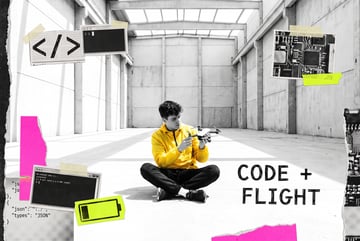
MiniMax M3.1 Flash Preview: Hands-On Tests With M-Code Agent
Hands-on tests of MiniMax's unreleased M3.1 Flash coding model via its M-Code terminal agent, covering drone JSON logic, a 3D game build, and a SQL bug hunt.

ChatGPT and Claude's Quiet New Features: What Actually Changed This Week
A roundup of small but useful ChatGPT and Claude updates: audio uploads, document scanning, sites database, Google Docs Markdown export.

GPT-6's Intelligent UI in ChatGPT: What It Does and How to Use It
GPT-6's intelligent UI turns ChatGPT text answers into interactive visuals, charts, and tappable guides. Here's what it actually does.

OpenAI's GPT-6 Push Shows Where Cheap, Fast AI Outputs Are Headed
OpenAI and Anthropic both shipped cheaper, faster models this week. Here's what their releases reveal about structured, low-cost AI outputs.

Claude Haiku 5.5 vs Sonnet and Opus 5.5: Which Should You Actually Use?
A hands-on cost and quality comparison of Claude Haiku 5.5 against Sonnet and Opus 5.5 across games, websites, and accounting tasks.

Underdog Saluki 27B: How Much Does Compression Cost You?
Underdog Saluki 27B shrinks Qwen3.8-27B to under 8GB. Here's what the benchmarks say about tool calling, coding, and math losses.

Underdog Saluki 27B: Tool Calling Gains vs Full-Size Qwen3.8 Losses
Underdog Saluki 27B compresses Qwen3.8-27B to under 8GB. Here's where it beats the full model on tool calling and where it falls short.
AI Math Proofs: How Anthropic and OpenAI Results Actually Compare
Anthropic's Claude and OpenAI's internal model both claim math breakthroughs. Here's what's verified, what's hype, and what it means for AI progress.

Claude Haiku 5.5: Real-World Coding and Agentic Test Results
Claude Haiku 5.5 debugs a real dashboard bug, builds a 3D Blender game, and handles multilingual tests. Here's how it actually performs.

Gemini Argon Tops a Leaderboard. Why That Doesn't Settle Anything
Google's Gemini Argon leads a benchmark but has limited availability. Here's why real adoption, not leaderboard rank, decides if a model matters.